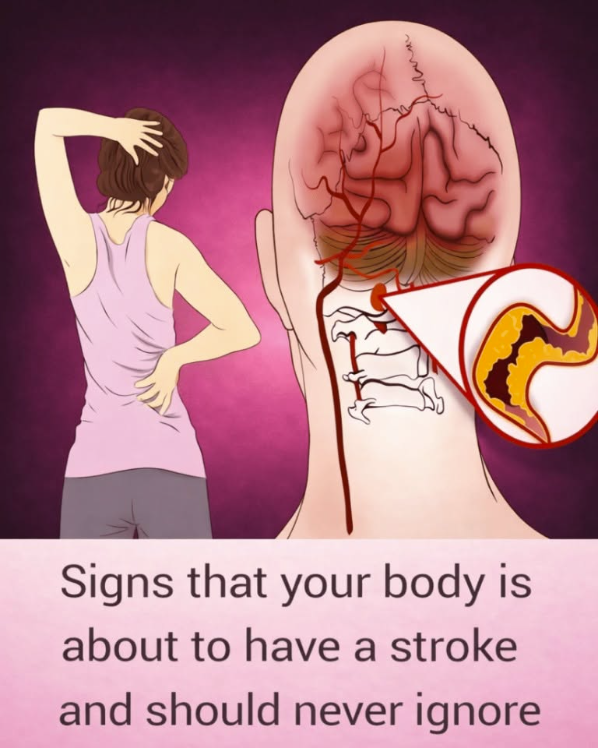
A stroke can happen suddenly, and every minute matters.
A stroke occurs when blood flow to part of the brain is interrupted or when a blood vessel in the brain ruptures. Without enough oxygen and nutrients, brain cells can become damaged very quickly.
Some strokes happen without much warning. However, certain symptoms can appear suddenly and may indicate that a stroke is happening—or that a person has experienced a transient ischemic attack (TIA), sometimes called a mini-stroke.
Recognizing these symptoms can make an important difference because some stroke treatments are time-sensitive.
One of the simplest ways to remember the most important warning signs is FAST:
F — Face: Is one side of the face drooping?
A — Arms: Is one arm weak or numb?
S — Speech: Is speech suddenly slurred, confused or difficult to understand?
T — Time: Call emergency medical services immediately.
But stroke symptoms can involve more than the face, arms and speech. Other sudden changes—including vision problems, severe headache, dizziness and difficulty walking—can also be important.
Here are the warning signs everyone should know.
1. Sudden Weakness or Numbness on One Side
One of the classic signs of stroke is sudden weakness or numbness affecting one side of the body.
This may involve:
- The face
- One arm
- One leg
- An entire side of the body
A person may suddenly find that they cannot raise one arm normally or that one side feels strangely heavy.
The symptom can sometimes be subtle. Someone may initially think they simply slept awkwardly or have a pinched nerve.
However, sudden unexplained weakness or numbness—especially on one side—should be treated as an emergency.
Don't wait several hours to see whether it improves.
2. One Side of the Face Droops
Ask the person to smile.
Does one side of the face appear lower than the other?
The mouth may droop, or the smile may suddenly become uneven.
Facial weakness can be particularly noticeable when the person tries to smile, speak or show their teeth.
This is one of the reasons the "F" in FAST stands for Face.
A new facial droop that appears suddenly requires immediate medical attention, especially when accompanied by arm weakness or speech difficulties.
3. Speech Suddenly Becomes Slurred
A stroke can affect the areas of the brain responsible for speaking and understanding language.
Someone who normally speaks clearly may suddenly:
- Slur their words
- Speak unusually slowly
- Have difficulty forming words
- Say things that don't make sense
- Struggle to repeat a simple sentence
Sometimes the person knows exactly what they want to say but cannot get the words out properly.
Other times, they may have difficulty understanding what other people are saying.
Sudden speech or language problems should never be dismissed as tiredness, stress or confusion without medical evaluation.
4. Difficulty Understanding Other People
Stroke symptoms aren't always obvious problems with pronunciation.
A person may suddenly appear confused because they cannot understand ordinary speech.
For example, they may:
- Have trouble following a simple conversation
- Give inappropriate answers to questions
- Seem suddenly confused
- Struggle to understand written words
- Be unable to follow simple instructions
This can occur when a stroke affects areas of the brain involved in language.
If this is a sudden change from the person's normal behavior, seek emergency medical help immediately.
5. Sudden Trouble Seeing
A stroke can sometimes affect vision.
A person may suddenly experience:
- Blurred vision
- Double vision
- Loss of vision in one eye
- Loss of part of their visual field
- Difficulty seeing objects on one side
Vision changes can have many causes, but a sudden unexplained change can be a medical emergency.
Don't assume that sudden vision loss is simply an eye problem.
If someone's vision changes abruptly, especially when other neurological symptoms occur, seek urgent medical attention.
6. Sudden Difficulty Walking or Loss of Balance
A person having a stroke may suddenly have trouble walking normally.
They might:
- Stagger
- Feel unusually unsteady
- Have difficulty standing
- Suddenly lose coordination
- Need to hold onto furniture
- Fall unexpectedly
A sudden loss of balance can sometimes be caused by a stroke affecting areas of the brain responsible for coordination and movement.
Dizziness alone does not necessarily mean someone is having a stroke. But sudden severe dizziness combined with difficulty walking, weakness, vision changes or speech problems should be taken seriously.
7. A Sudden, Severe Headache
Some strokes can cause a sudden and severe headache.
This may be particularly important when the headache:
- Begins abruptly
- Is extremely intense
- Feels different from previous headaches
- Occurs with vomiting
- Occurs with confusion
- Occurs with weakness or numbness
- Occurs with loss of consciousness
A sudden, severe headache can have several possible causes, including conditions unrelated to stroke.
However, certain types of stroke involve bleeding in or around the brain, making an abrupt and unusually severe headache a symptom that requires urgent evaluation.
Don't attempt to diagnose the cause of a sudden severe headache at home.
8. Sudden Confusion or Trouble Thinking
A person may suddenly become confused during a stroke.
They may have difficulty:
- Understanding questions
- Speaking clearly
- Remembering what they were doing
- Following instructions
- Recognizing familiar situations
- Communicating normally
Sudden confusion can also occur with infections, low blood sugar, medication effects and other medical conditions.
But when confusion appears suddenly—particularly alongside facial weakness, speech problems or weakness on one side—stroke needs to be considered.
9. Sudden Problems With Coordination
A stroke can affect fine motor control.
Someone may suddenly have difficulty performing tasks that normally feel effortless.
For example, they might struggle to:
- Pick up an object
- Write
- Use a phone
- Button clothing
- Walk in a straight line
- Coordinate their hands
Sudden loss of coordination can be especially concerning when it occurs together with dizziness, weakness or vision changes.
Again, the key word is sudden.
A gradual change over months is different from an abrupt neurological change occurring over minutes.
10. Symptoms That Disappear Can Still Be an Emergency
This is one of the most important points to remember.
Sometimes stroke-like symptoms disappear after a few minutes or hours.
A person might suddenly develop weakness or difficulty speaking and then appear completely normal later.
This can happen with a transient ischemic attack (TIA).
A TIA occurs when blood flow to part of the brain is temporarily interrupted. The symptoms may disappear, but a TIA can be a warning that a full stroke could occur.
Therefore, do not ignore symptoms simply because they have gone away.
Someone who experiences sudden stroke-like symptoms should receive urgent medical evaluation even if they feel completely normal again.
Remember FAST
If you suspect that someone is having a stroke, remember:
F — Face
Ask the person to smile.
Does one side of the face droop?
A — Arms
Ask the person to raise both arms.
Does one arm drift downward or feel weak?
S — Speech
Ask them to repeat a simple sentence.
Is their speech slurred, strange or difficult to understand?
T — Time
If any of these signs appear suddenly, treat it as an emergency and contact emergency medical services immediately.
Do not drive the person yourself if emergency medical services are available and can respond.
Why Acting Quickly Matters
The brain depends on a continuous supply of oxygen-rich blood.
When blood flow is interrupted, brain cells can become damaged.
For an ischemic stroke caused by a blood clot, certain emergency treatments may be available to restore blood flow. The suitability of these treatments depends on factors such as the type of stroke, how long ago symptoms began and the person's medical circumstances.
For bleeding in the brain, completely different emergency treatment may be required.
This is why determining the type of stroke quickly is so important.
Medical professionals may use brain imaging and other tests to determine what is happening and which treatment is appropriate.
The sooner a possible stroke is recognized and evaluated, the sooner treatment can begin when appropriate.
What Should You Do If You Suspect a Stroke?
If someone suddenly develops stroke symptoms, don't wait to see if they improve.
Call your local emergency medical service immediately.
While waiting for help:
- Note the time the symptoms began, or the last time the person was known to be normal.
- Keep the person safe and comfortable.
- Follow instructions from emergency medical professionals.
- Do not give food or drink if the person has difficulty swallowing.
- Do not give medications such as aspirin unless instructed by a medical professional.
The time when symptoms started can be particularly important to doctors because it can influence treatment decisions.
Don't Assume It's Just Fatigue
People sometimes explain sudden neurological symptoms by saying:
"They're just tired."
"They're stressed."
"They probably slept badly."
"They're getting older."
This can be dangerous.
Stroke symptoms often appear suddenly and may initially seem confusing or minor.
A person might have only one obvious symptom—for example, suddenly struggling to speak.
Another person may experience several symptoms at once.
You don't need to be certain that it is a stroke before calling for emergency help.
If a sudden neurological change could represent a stroke, it is safer to have the situation assessed urgently.
Can a Stroke Happen Without Pain?
Yes.
A stroke does not necessarily cause pain.
Some people experience weakness, numbness, speech problems, vision changes or confusion without having a headache.
This is why waiting for a headache or another dramatic symptom can be a mistake.
The most important clues are often sudden changes in neurological function.
Who Can Have a Stroke?
Stroke can occur in people of different ages.
The risk generally increases with age, but younger people can also experience strokes.
Risk factors can include:
- High blood pressure
- Diabetes
- High cholesterol
- Smoking
- Certain heart conditions
- Previous stroke or TIA
- Certain blood-clotting conditions
- Physical inactivity
- Obesity
- Excessive alcohol consumption
Having a risk factor does not mean that someone will definitely have a stroke.
Likewise, a person without obvious risk factors can still experience one.
What Can Help Reduce Stroke Risk?
Some risk factors cannot be changed, including age and certain aspects of family history.
However, several important risk factors can be addressed.
Keep blood pressure under control
High blood pressure is a major risk factor for stroke.
If you have been prescribed blood-pressure medication, take it as directed and attend recommended medical appointments.
Don't smoke
Smoking damages blood vessels and increases cardiovascular risk.
Quitting can substantially improve overall cardiovascular health.
Manage diabetes
If you have diabetes, following your treatment plan and monitoring your blood sugar as recommended can help reduce complications.
Pay attention to cholesterol
High levels of certain blood lipids can contribute to cardiovascular disease.
Your healthcare professional can determine whether lifestyle changes or medication are appropriate.
Stay physically active
Regular physical activity supports cardiovascular health and can help manage several stroke risk factors.
Eat a balanced diet
A diet emphasizing vegetables, fruits, whole grains, legumes, fish and other nutritious foods can support cardiovascular health.
A Stroke Is Not Something to "Wait Out"
One of the biggest mistakes someone can make is waiting to see whether symptoms disappear.
If a person's face suddenly droops, one arm becomes weak, their speech becomes abnormal or they suddenly develop another significant neurological symptom, time matters.
Even if the person insists that they feel fine, sudden stroke-like symptoms deserve urgent attention.
And if the symptoms disappear completely, that does not necessarily mean the danger has passed. A TIA can produce temporary symptoms while still requiring urgent evaluation.


0 comments:
Post a Comment