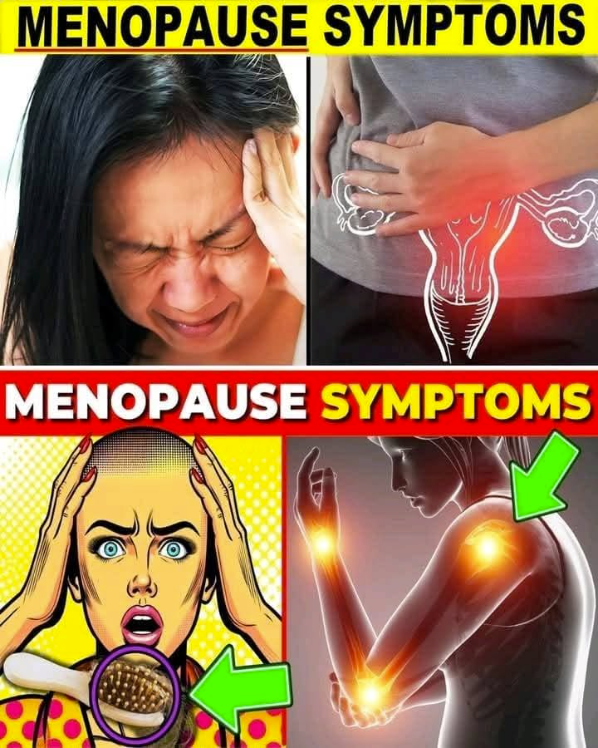
9 Signs You’re Actually Going Through Menopause
Menopause is a natural stage of life that marks the end of a woman’s reproductive years. It officially occurs when a woman has gone 12 consecutive months without a menstrual period. For many women, the transition doesn’t happen overnight. Instead, it begins gradually during a phase called perimenopause, when hormone levels start to fluctuate and a variety of physical and emotional changes may appear.
Every woman experiences menopause differently. Some notice only mild symptoms, while others find the changes more noticeable. Recognizing the common signs can help you understand what’s happening and know when to speak with a healthcare provider if symptoms become difficult to manage.
One of the earliest signs of menopause is a change in your menstrual cycle. Your periods may become shorter or longer, lighter or heavier, or occur more or less frequently than usual. Eventually, they stop altogether.
Hot flashes are one of the most well-known symptoms of menopause. They often begin suddenly, causing an intense feeling of warmth that spreads across the face, neck, and chest. Some women also experience flushing, sweating, and a rapid heartbeat.
Night sweats are hot flashes that occur while sleeping. They can leave your clothes and bedding damp, interrupt sleep, and make it difficult to feel well-rested the next day.
Hormonal changes can make it harder to fall asleep or stay asleep. Some women wake frequently during the night, while others find it difficult to get back to sleep after waking.
Many women notice increased irritability, anxiety, mood swings, or periods of sadness during menopause. Hormonal fluctuations, combined with poor sleep, can contribute to these emotional changes.
Lower estrogen levels may reduce natural lubrication, leading to vaginal dryness, irritation, or discomfort during intimacy. Some women also notice increased sensitivity or itching.
7. Changes in Memory and Concentration
It’s common to experience occasional forgetfulness or difficulty concentrating during menopause. Many women describe this as “brain fog,” although these symptoms are usually temporary.


0 comments:
Post a Comment