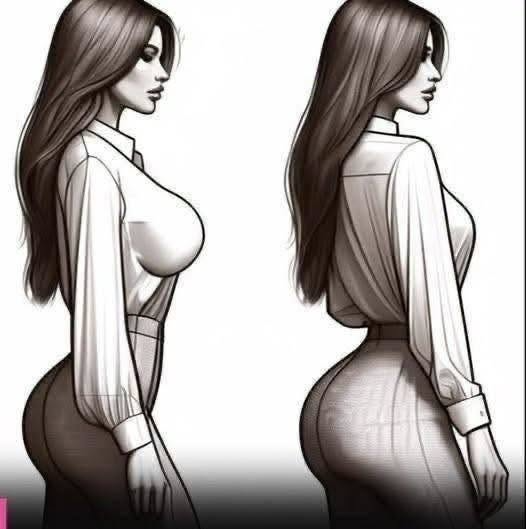
Breast size is one of the many physical characteristics that naturally varies from one woman to another. Some women have small breasts, while others have larger breasts, and many fall somewhere in between. Despite this normal variation, myths about breast size continue to circulate online, particularly claims suggesting that the size or shape of a woman’s breasts can reveal something about her intimate life, sexual ability, fertility, or personality.
These claims may sound convincing when repeated often enough, but breast size alone does not provide a reliable way to determine any of these things. Understanding the science behind breast development can help separate normal biological differences from popular myths.
Breasts are made up of several types of tissue, including glandular tissue, connective tissue, and fatty tissue. The amount and distribution of these tissues differ considerably between individuals.
Genetics play an important role in determining breast size and shape. A woman may naturally inherit a particular breast shape or size from her family, just as she may inherit characteristics such as height, hair texture, or body structure.
Hormones also influence breast development. Estrogen, progesterone, and other hormones contribute to changes that occur during puberty, the menstrual cycle, pregnancy, and other stages of life.
Body weight can also affect breast size because breasts contain fatty tissue. However, the relationship between body weight and breast size is not identical for every woman.
This means there is no single explanation for why one woman has smaller breasts and another has larger breasts.
Having small breasts is generally simply a normal variation in human anatomy. Breast size does not automatically indicate that something is wrong with a woman's hormones, reproductive system, or general health.
During puberty, breast development occurs at different rates. Some girls experience significant breast growth relatively early, while others develop more gradually. Development can continue for several years.
Even after puberty, breast size can change. Weight fluctuations, pregnancy, breastfeeding, hormonal changes, aging, and certain medications can all influence breast appearance.
Consequently, comparing one woman's breasts with another woman's breasts is not a meaningful way to determine whether either person is healthy.
One common misconception is that breast size can reveal how sexually interested a woman is.
There is no reliable biological rule connecting breast size with a woman's level of sexual desire.
Sexual desire is influenced by a complex combination of physical, psychological, hormonal, emotional, and relationship-related factors. Stress, sleep, mood, medications, health conditions, life circumstances, and relationship satisfaction can all influence libido.
A woman with small breasts may have a high level of sexual desire, a low level of desire, or anything in between. The same is true for a woman with larger breasts.
Physical appearance cannot be used as a dependable measurement of libido.
Another myth is that women with larger breasts necessarily experience greater sexual satisfaction, or that women with smaller breasts experience less.
Again, breast size does not determine sexual satisfaction.
Intimacy involves far more than a particular physical feature. Communication, emotional connection, comfort, trust, mutual respect, personal preferences, and overall well-being can all play important roles.
People also differ in what they find attractive and what makes them feel comfortable. There is no universal standard for what a woman's body should look like.
Breast size is also not a reliable indicator of fertility.
A woman's ability to become pregnant depends on many factors involving the reproductive system, including ovulation, ovarian function, the fallopian tubes, the uterus, hormones, age, and factors involving both partners.
Breast size does not provide a useful fertility test.
A woman with small breasts can have normal reproductive function, just as a woman with larger breasts can experience fertility difficulties.
This distinction is important because physical appearance and reproductive health are not interchangeable.
People sometimes assume that breast size determines whether a woman will be able to breastfeed successfully.
This is another oversimplification.
Breast size is strongly influenced by fatty tissue, while milk production depends primarily on the functioning of milk-producing glandular tissue and hormonal processes. Therefore, having smaller breasts does not automatically mean that a woman cannot produce enough milk.
Breastfeeding experiences vary from person to person. Some women may experience difficulties for many different reasons, including problems with milk transfer, infant latch, hormonal factors, previous breast surgery, or other medical circumstances.
Breast size alone is not a reliable predictor of breastfeeding ability.
Body-related myths often spread because people want simple explanations for complicated biological differences.
Social media can make the problem worse. A short post may present a dramatic claim without scientific evidence, and repeated sharing can make the claim appear credible.
Another reason is that breasts are often discussed in connection with sexuality and beauty standards. This can encourage people to believe that breast appearance reveals something about a woman's personality or intimate behavior.
In reality, human biology is much more complicated.
A physical characteristic can exist without carrying the meaning that society sometimes assigns to it.
Breasts are not static. Their appearance can change naturally over time.
During puberty, hormones stimulate breast development. During the menstrual cycle, hormonal fluctuations can temporarily cause swelling or tenderness.
Pregnancy can produce substantial changes as the body prepares for breastfeeding. After pregnancy and breastfeeding, breasts may look or feel different.
Aging can also affect breast tissue. Changes in skin elasticity and the distribution of fatty and glandular tissue may alter breast shape and firmness.
Weight changes can contribute to additional changes because of the fatty component of breast tissue.
Therefore, judging a woman's health or identity based on breast appearance at one particular moment is especially unreliable.
Although breast size itself is usually not a concern, new or unusual changes in the breasts can sometimes deserve medical evaluation.
Women should become familiar with how their breasts normally look and feel. A new lump, persistent localized pain, unexplained skin changes, nipple discharge, nipple inversion that is new, or a noticeable change in breast appearance should be discussed with a healthcare professional.
Most breast changes are not necessarily cancer, but unusual or persistent changes should not be ignored.
Medical professionals can determine whether further examination or testing is appropriate.
There is no single "correct" breast size.
Human bodies naturally come in different shapes and proportions. Some women have small breasts, some have large breasts, and many have asymmetry, meaning one breast is slightly different from the other.
Mild breast asymmetry is extremely common.
The idea that every woman should have a particular shape is largely influenced by cultural expectations, advertising, entertainment, and social media rather than biology.
Recognizing normal variation can help people develop a healthier understanding of their bodies.
Body confidence can be affected by social comparisons. Looking at edited photographs or carefully selected images online can create unrealistic expectations about how women "should" look.
A woman may feel insecure because her breasts are smaller than those of women she sees online. However, comparison does not provide a meaningful measure of attractiveness, health, femininity, or worth.
Confidence comes from many sources, including self-acceptance, personal relationships, accomplishments, physical well-being, and feeling comfortable in one's own body.
There is no biological requirement for a particular breast size to be considered feminine or attractive.
When discussing intimacy, it is much more useful to focus on communication and mutual understanding than on physical measurements.
Partners may have different preferences, but healthy intimacy depends on mutual consent, respect, comfort, communication, and consideration for each other's boundaries.
A person's physical characteristics do not tell the entire story of who they are or what they want.
Assuming someone's preferences based on appearance can lead to misunderstandings and unrealistic expectations.
Open communication is much more reliable than trying to interpret body features.
Whenever a social media post claims that a specific physical characteristic reveals something surprising about a person's sexual behavior, fertility, personality, or health, it is worth asking where the information came from.
Reliable health information should ideally be supported by medical organizations, scientific research, or qualified healthcare professionals.
Statements such as "small breasts mean this" or "large breasts mean that" should be treated cautiously when they make broad claims about every woman.
Human biology rarely works according to simple rules based on appearance alone.
Instead of asking what breast size supposedly says about a woman, a more useful question is whether the breasts are developing normally for that individual and whether there have been any concerning changes.
For most women, breast size is simply one natural characteristic of their body.
It does not define their femininity.
It does not determine their fertility.
It does not predict their sexual desire.
It does not determine their ability to breastfeed.
And it does not establish how much pleasure or satisfaction they can experience in an intimate relationship.
These are separate aspects of human health and sexuality.
The claim that a woman having small breasts automatically means something about her intimate life is a myth rather than a reliable biological fact.
Breast size is influenced by genetics, hormones, body composition, age, and other factors. Considerable variation is completely normal.
Most importantly, physical appearance should not be used to make assumptions about someone's sexuality, fertility, personality, or health.
Understanding the difference between biological facts and popular myths can help people make more informed decisions about their bodies and avoid unnecessary insecurity.


0 comments:
Post a Comment