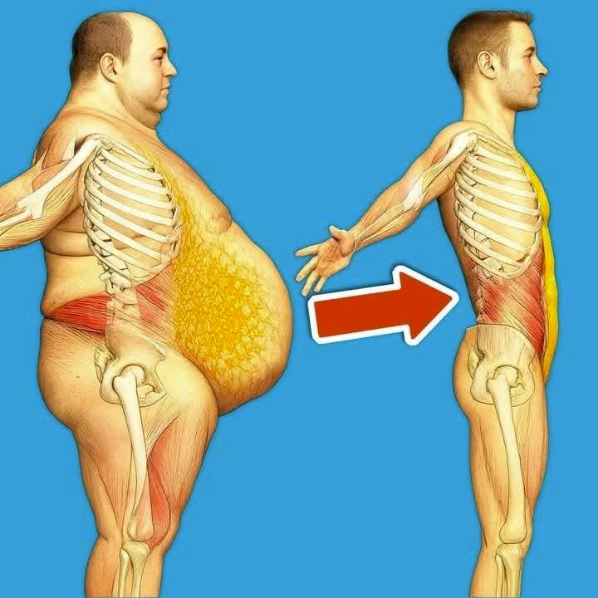
Waking up with a bloated stomach, feeling unusually full or dealing with excess gas can make the start of your day uncomfortable.
That's why "detox drinks" have become so popular. Many recipes promise to flush toxins from the body, flatten your stomach and eliminate digestive problems with just one glass each morning.
But there's an important distinction between a refreshing morning drink that supports hydration and digestion and a drink that supposedly "detoxes" your body.
Your liver, kidneys, lungs and digestive system already play major roles in processing and eliminating substances your body doesn't need. There is no special drink that can magically remove toxins or "clean" your organs.
However, starting the morning with a simple glass of water—and optionally adding ingredients such as fresh ginger or lemon—can be a healthy habit for many people.
If your goal is to feel less bloated and support comfortable digestion, the following recipe is a simple option.
The Simple Morning Drink
Ginger, Lemon and Warm Water
You only need a few ingredients:
- 1 glass of warm or room-temperature water
- A few thin slices of fresh ginger
- A small squeeze of fresh lemon
You can adjust the amount of ginger and lemon according to your taste.
How to prepare it
- Pour approximately one glass of warm or room-temperature water into a cup.
- Add a few slices of fresh ginger.
- Let the ginger steep for several minutes.
- Add a small amount of fresh lemon juice if you enjoy the flavor.
- Drink it slowly in the morning.
There's no need to make the drink extremely concentrated.
In fact, stronger is not necessarily better.
The primary benefit may simply come from starting the day hydrated, while ginger can add flavor and may be helpful for some digestive symptoms.
Why Ginger Is Often Used for Digestion
Ginger has been used traditionally for digestive discomfort for centuries.
Research has particularly examined ginger for nausea and certain digestive symptoms.
Some people find that ginger tea or ginger-infused water feels soothing after eating or when their stomach feels unsettled.
Ginger may also influence gastrointestinal movement, which is one reason it has attracted interest in digestive health.
However, it's important not to exaggerate what ginger can do.
It isn't a guaranteed cure for chronic bloating, excessive gas or digestive disorders.
If you experience digestive symptoms regularly, the underlying cause matters more than any particular drink.
What About Lemon Water?
Lemon water is essentially water with lemon juice added.
Its biggest practical advantage may be that some people simply enjoy the taste more than plain water.
That can make it easier to drink enough fluid throughout the day.
Lemons also provide vitamin C.
But lemon water should not be described as a powerful detox treatment.
Your body doesn't need lemon juice to "flush toxins" from your liver or kidneys.
And because lemon juice is acidic, drinking large amounts frequently can contribute to tooth enamel erosion.
If you regularly drink lemon water, you can reduce prolonged contact with your teeth by drinking it relatively quickly rather than constantly sipping acidic beverages throughout the day. Rinsing your mouth with plain water afterward can also be helpful.
Does a Morning Drink Actually Burn Belly Fat?
No drink can specifically target belly fat.
This is one of the most common claims associated with detox beverages.
You may see recipes containing lemon, ginger, apple cider vinegar, cinnamon or other ingredients advertised as "belly fat burners."
There is no magic combination that causes fat to disappear from one particular area of the body.
If someone loses body fat, it generally happens through changes in overall energy balance over time, combined with factors such as physical activity, diet, sleep and individual metabolism.
A morning drink can be part of a healthy routine, but it should not be presented as a shortcut to losing abdominal fat.
Can One Glass Reduce Gas?
It depends on why you're experiencing gas.
Gas is a normal part of digestion. It develops when swallowed air and gases produced by bacteria in the digestive tract move through the gastrointestinal system.
Some people naturally produce more gas than others.
Common contributors can include:
- Eating quickly
- Swallowing air
- Carbonated beverages
- Certain high-fiber foods
- Beans and lentils
- Some vegetables
- Certain artificial sweeteners
- Food intolerances
- Constipation
- Changes in gut bacteria
A glass of water may support hydration, while ginger may feel soothing for some people.
But neither should be considered a guaranteed treatment for persistent excessive gas.
Your Morning Routine May Matter More Than the Drink
If you're regularly waking up bloated, changing one drink may not solve the problem.
Look at your overall habits.
Eat slowly
Eating quickly can cause you to swallow more air.
Taking your time and chewing thoroughly may help reduce the amount of air that enters your digestive tract.
Limit carbonated drinks if they make you gassy
Soda, sparkling water and other carbonated beverages introduce gas into your digestive system.
Some people are particularly sensitive to them.
If you notice that bloating consistently follows carbonated drinks, reducing them may be more useful than adding a "detox" ingredient to your morning water.
Pay attention to foods that trigger symptoms
Certain foods can cause significant gas or bloating in some people.
For example, some individuals have difficulty digesting lactose in dairy products.
Others may experience symptoms after consuming particular carbohydrates or large quantities of certain high-fiber foods.
Keeping a simple food-and-symptom diary can help you identify patterns.
Don't Forget About Constipation
Constipation is another common reason people feel bloated.
If bowel movements are infrequent or difficult, gas can become uncomfortable and your abdomen may feel full.
Adequate fluid intake, regular physical activity and sufficient dietary fiber can support normal bowel function.
However, increasing fiber very suddenly can sometimes make gas worse.
If you're currently eating very little fiber, increase fiber gradually and give your digestive system time to adjust.
Foods containing fiber include:
- Oats
- Fruits
- Vegetables
- Beans
- Lentils
- Whole grains
- Nuts and seeds
A Better "Detox" Is a Healthy Routine
The word "detox" makes many drinks sound more powerful than they actually are.
Instead of thinking about detoxing your body with a special beverage, think about supporting the systems that naturally keep your body functioning.
That means:
Stay hydrated
Drink enough fluid throughout the day according to your individual needs.
Eat a varied diet
Include fruits, vegetables, whole grains, protein sources and other nutritious foods.
Stay physically active
Regular movement can support overall health and may also help bowel regularity.
Get adequate sleep
Sleep affects many aspects of health, including appetite and metabolic regulation.
Limit excessive alcohol
Alcohol can contribute to digestive discomfort and has broader health consequences when consumed excessively.
These habits are considerably more meaningful than relying on a single "detox" drink.
What If You Want Something Even Simpler?
You don't actually need ginger or lemon.
Plain water is perfectly fine.
If you enjoy ginger and lemon, adding them can make your morning drink more appealing.
But don't feel that your body is missing something if you drink ordinary water instead.
A simple glass of water in the morning can contribute to your overall daily fluid intake, particularly after several hours of sleep.
The key is consistency rather than creating an elaborate recipe.
Who Should Be Careful With Ginger or Lemon Drinks?
Natural ingredients are not automatically suitable for everyone.
Ginger can cause digestive discomfort or heartburn in some people, particularly in larger amounts.
Lemon juice is acidic and may aggravate symptoms in people who are sensitive to acidic foods or have reflux.
People taking certain medications or living with particular medical conditions should also consider whether concentrated herbal products or large amounts of specific ingredients are appropriate.
If you take prescription medication or have a medical condition, ask a healthcare professional or pharmacist if you're unsure.
Don't Use Apple Cider Vinegar as a "Detox"
Apple cider vinegar is another popular ingredient in morning detox recipes.
It's often promoted as a way to burn fat, improve digestion and cleanse the body.
However, drinking concentrated vinegar can irritate the throat and stomach and expose your teeth to acid.
There is no need to add vinegar to your morning routine simply because an online recipe claims it will detox your body.
If you enjoy vinegar as part of food, that's different from drinking concentrated vinegar shots.
What About Green Tea?
Unsweetened green tea can also be part of a healthy morning routine.
It provides fluids and naturally contains caffeine.
However, green tea should not be viewed as a magical fat-burning or detoxifying beverage.
If caffeine makes you anxious, causes digestive discomfort or interferes with your sleep, it may not be the best morning option for you.
For a simple hydration-focused routine, water remains an excellent choice.
When Bloating May Need Medical Attention
Occasional gas and bloating are common.
But persistent or severe digestive symptoms should not simply be treated with homemade drinks.
Talk to a healthcare professional if bloating or gas:
- Happens frequently
- Is getting worse
- Causes significant pain
- Interferes with your daily activities
- Is accompanied by unexplained weight loss
- Occurs with persistent diarrhea
- Occurs with persistent constipation
- Is accompanied by blood in the stool
- Comes with repeated vomiting
- Appears alongside significant changes in bowel habits
These symptoms can have many possible causes, and identifying the cause is more important than finding a "detox" recipe.
A Simple 5-Minute Morning Routine
If you want to turn the idea of a morning drink into a broader healthy habit, try this simple routine.
Step 1: Drink a glass of water
Choose plain water or warm water with a small amount of ginger.
Step 2: Eat a balanced breakfast when you're hungry
Consider combining protein, fiber and whole-food carbohydrates.
For example:
Plain yogurt + berries + oats
or
Eggs + whole-grain toast + fruit
Step 3: Move your body
A short walk or gentle stretching can help you start the day actively.
Step 4: Pay attention to your digestion
Notice whether particular foods consistently trigger bloating or gas.
Step 5: Continue drinking fluids throughout the day
Don't rely on one morning glass to provide all the hydration your body needs.



0 comments:
Post a Comment