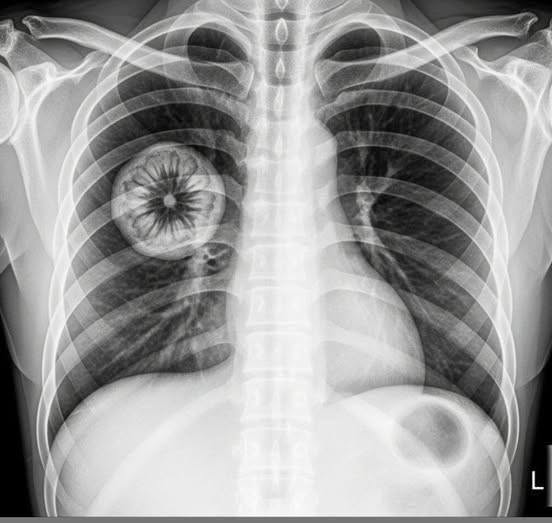
If you've spent time on social media over the past few years, you've probably seen dramatic headlines beginning with phrases like "Warning," "Doctors Don't Want You to Know," or "People Vaccinated Against COVID-19 May…" These posts are designed to capture attention and encourage clicks, often leaving out important context until the reader opens the article.
Health information has the power to influence personal decisions, family conversations, and public confidence. That's why it's especially important to evaluate medical claims carefully before accepting or sharing them. While vaccines, medications, and treatments are all continually studied, not every alarming headline reflects high-quality scientific evidence.
Learning how medical research works—and how trustworthy health reporting differs from sensational content—can help readers make informed decisions based on evidence rather than fear.
News about diseases, treatments, medications, or vaccines naturally draws interest because people want to protect themselves and their loved ones.
Unfortunately, this also makes health topics especially vulnerable to sensational headlines.
These headlines often provide very little information on their own. Their purpose is to generate curiosity rather than explain the evidence.
One of the strengths of science is that it continually updates as new evidence becomes available.
Other scientists review the methods and results.
Additional research either supports, refines, or challenges earlier findings.
This process is not a sign that science is unreliable. It is one of the reasons science becomes more accurate over time.
Medical recommendations may evolve as researchers learn more, but changes are typically based on accumulating evidence rather than isolated claims.
Every medical intervention—including prescription medications, over-the-counter medicines, vaccines, and surgical procedures—has potential benefits and potential risks.
Health professionals evaluate these by asking an important question:
Do the expected benefits outweigh the known risks for the people receiving the treatment?
This balance is assessed using data from clinical trials, ongoing safety monitoring, and real-world evidence.
Vaccines continue to be monitored after they are approved or authorized for use.
Health authorities and researchers collect information from multiple sources to identify rare side effects and better understand vaccine safety over time.
When new safety information is identified, recommendations may be updated accordingly.
This ongoing monitoring is a normal part of modern public health and does not necessarily indicate that a vaccine is unsafe.
Stories shared online can be emotionally powerful.
Someone may describe a personal experience after receiving a vaccine or another medical treatment.
While those experiences deserve empathy, a single story cannot establish that one event caused another.
Researchers look for patterns across large groups of people to determine whether an observed effect occurs more often than would be expected by chance.
That is why large, well-designed studies are so important.
Before believing or sharing a dramatic health headline, ask a few questions:
Does the article cite published research?
Is the research from a reputable scientific journal?
Does it explain the study's limitations?
Have multiple reliable organizations reported similar findings?
Does it distinguish between correlation and causation?
These questions help readers assess the strength of the evidence.
One of the most common misunderstandings in health reporting is confusing correlation with causation.
For example, if two events happen around the same time, that does not automatically mean one caused the other.
Researchers use carefully designed studies to determine whether there is evidence of a causal relationship.
Without that evidence, conclusions should be made cautiously.
Statistics can sound alarming when presented without context.
For example, saying that a side effect is "twice as common" may sound frightening until readers learn that the original risk was extremely small.
Responsible reporting provides:
Context helps readers understand what the findings actually mean.
Public health agencies, medical societies, and healthcare professionals regularly review new research and update guidance when appropriate.
Their recommendations are generally based on the totality of available evidence rather than on a single study or isolated report.
Reading information from multiple reputable sources can provide a more complete understanding than relying on one headline.
Every person's medical history is different.
Factors such as age, existing medical conditions, allergies, pregnancy, and medications may influence healthcare decisions.
If you have questions about vaccines or any medical treatment, discussing them with a qualified healthcare professional who understands your individual circumstances is often the best approach.
Open conversations allow people to make informed decisions based on reliable information and their own health needs.
Comparing reports from multiple reliable outlets.
Being cautious with anonymous claims.
Avoiding sharing unverified medical information.
These habits improve health literacy and help reduce the spread of misinformation.
Health information can influence important decisions made by families and communities.
Sharing accurate information contributes to informed conversations.
Sharing incomplete or misleading claims—even unintentionally—can create unnecessary confusion or anxiety.
Taking a few extra minutes to verify a claim before reposting it is a simple but valuable habit.
Health headlines are designed to capture attention, but attention-grabbing language is not the same as scientific evidence. Whether the topic involves vaccines, medications, nutrition, or new medical treatments, the most reliable conclusions come from carefully conducted research that is reviewed, replicated, and evaluated over time.
Rather than reacting to incomplete or sensational claims, readers can benefit from asking thoughtful questions, seeking information from trusted medical sources, and discussing concerns with qualified healthcare professionals. Critical thinking, curiosity, and a commitment to evidence are among the best tools we have for navigating today's fast-moving health information landscape.
In the end, making informed decisions starts with looking beyond the headline and understanding the evidence behind the story.


0 comments:
Post a Comment