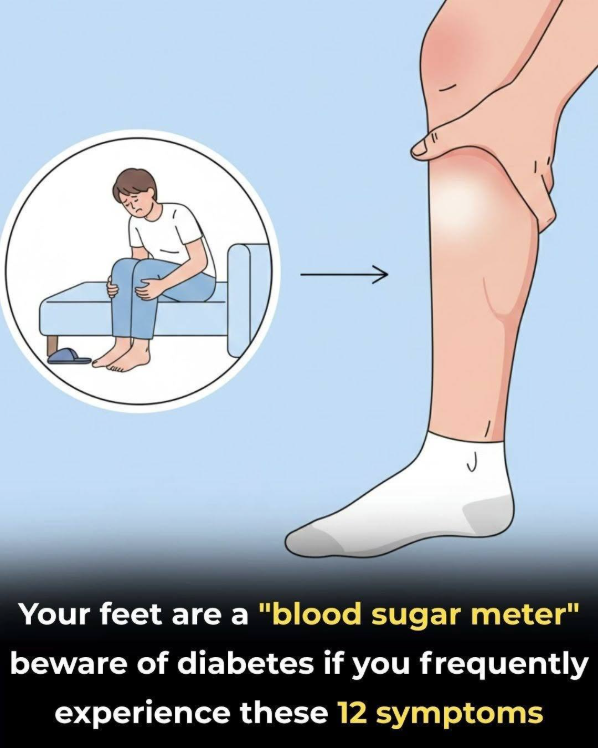
Diabetes can develop gradually, and some people may have elevated blood sugar for a long time without realizing it. The symptoms can sometimes be mild enough to overlook, especially in the early stages.
However, certain changes in your body may be worth paying attention to. Frequent thirst, increased urination, unexplained weight changes, unusual tiredness, blurred vision and slow-healing cuts are among the symptoms that can occur when blood sugar remains too high.
One important point to remember is that your feet are not a blood sugar meter. You cannot determine whether you have diabetes simply by looking at your feet or feeling discomfort in your legs. Symptoms involving the feet can occur with diabetes, particularly after nerve or circulation problems develop, but they can also have many other causes.
The only reliable way to determine whether you have diabetes is through appropriate medical testing.
Here are 12 symptoms that are worth knowing.
1. You Are Extremely Thirsty
Feeling thirsty after exercise, during hot weather or after eating salty food is completely normal.
Persistent or unusually intense thirst, however, can be associated with high blood sugar.
When glucose levels become elevated, the kidneys may work harder to remove excess glucose from the body through urine. Increased fluid loss can contribute to dehydration, which may make you feel unusually thirsty.
You may notice that you are:
- Drinking much more water than usual
- Constantly carrying a water bottle
- Waking up at night because you are thirsty
- Experiencing a dry mouth frequently
Thirst alone does not mean that you have diabetes. Dehydration, medications, heat and other medical conditions can also cause increased thirst.
If excessive thirst persists without an obvious explanation, it is worth discussing with a healthcare professional.
2. You Need to Urinate More Often
Frequent urination is another commonly recognized symptom of diabetes.
When there is too much glucose in the bloodstream, the kidneys may filter more glucose into the urine. Water follows the glucose, increasing urine production.
As a result, you may find yourself visiting the bathroom more often than usual.
Some people notice this particularly at night. Getting up repeatedly to urinate, especially when this is a new change, can interfere with sleep and leave you feeling exhausted during the day.
There are many other possible causes of frequent urination, including urinary infections, certain medications and drinking large amounts of fluid.
But when frequent urination occurs together with excessive thirst, unexplained weight loss or fatigue, it deserves attention.
3. You Feel Unusually Tired
Everyone gets tired from time to time.
A demanding work schedule, poor sleep, stress or insufficient food can all leave you exhausted.
Persistent fatigue without an obvious explanation can also occur when the body has difficulty using glucose effectively for energy.
You might notice that normal activities suddenly feel more tiring than they used to. You may also feel weak, sluggish or unable to concentrate.
Fatigue is an extremely nonspecific symptom, so it cannot be used on its own to diagnose diabetes.
Nevertheless, unexplained tiredness combined with several other symptoms on this list is a good reason to speak with a healthcare professional.
4. You Lose Weight Without Trying
Unexpected weight loss can sometimes be a warning sign.
When the body cannot effectively use glucose for energy, it may begin using stored fat and muscle as alternative sources of energy.
This can lead to weight loss even when you have not intentionally changed your diet or exercise routine.
Pay attention if you notice that:
- Your clothes suddenly become loose
- Your weight continues to decrease
- You have not started a weight-loss program
- Your appetite has changed unexpectedly
Unintentional weight loss has many possible causes, and diabetes is only one of them.
A significant or unexplained change in body weight should therefore be evaluated rather than automatically attributed to blood sugar.
5. Your Vision Becomes Blurry
Changes in blood sugar can affect the fluid balance in the eye and temporarily affect vision.
You may notice that objects look slightly blurry or that it becomes more difficult to focus.
Some people experience intermittent changes rather than constant blurry vision.
However, vision problems should never automatically be blamed on diabetes. Eye conditions, medications, dehydration and other health problems can also affect vision.
If you experience sudden or significant changes in your eyesight, seek medical attention rather than waiting for the problem to disappear.
6. Cuts and Wounds Take Longer to Heal
A small cut normally begins healing relatively quickly.
Persistently elevated blood sugar can interfere with several processes involved in healing and can increase susceptibility to infections.
You might notice that minor cuts, scratches or blisters seem to take unusually long to improve.
This is particularly important when wounds occur on the feet.
However, a slow-healing wound is not proof of diabetes. Circulation problems, infection, smoking and other conditions can also affect healing.
A wound that becomes increasingly red, swollen, painful, warm or produces discharge should be evaluated promptly.
7. You Experience Tingling or Numbness in Your Feet
The feet can become particularly important in people who have had diabetes for a long period.
Persistently high blood sugar can contribute to nerve damage, which may produce sensations such as:
- Tingling
- Burning
- Pins and needles
- Numbness
- Reduced sensitivity
- Shooting or electric-like pain
These sensations may begin in the toes or feet and can gradually become more noticeable.
But this does not mean that unusual sensations in your feet automatically indicate diabetes.
Nerve compression, vitamin deficiencies, certain medications, alcohol use and other medical conditions can cause similar symptoms.
If unexplained numbness or tingling persists, a healthcare professional can help determine the cause.
8. Your Feet Feel Unusually Dry or Your Skin Changes
Some people with diabetes may experience changes in their skin, including dryness.
Dry skin can be particularly noticeable on the feet and lower legs.
You might see:
- Cracked skin
- Flaking
- Itching
- Rough patches
- Small cracks around the heels
Dry feet are extremely common and are not a reliable way to detect diabetes.
Weather, frequent bathing, certain soaps and naturally dry skin can all produce similar changes.
Still, maintaining good foot care is important, especially if you have diabetes or another condition that affects circulation or sensation.
9. You Get Frequent Infections
High blood sugar can affect the body's ability to fight infections, and some people with diabetes experience infections more frequently.
Possible examples include certain skin infections, urinary infections or fungal infections.
Recurring infections do not automatically mean that diabetes is present. There are numerous reasons someone may experience repeated infections.
But if recurring infections occur alongside excessive thirst, frequent urination, fatigue or unexplained weight changes, medical testing may be appropriate.
10. You Feel Hungry Even After Eating
Increased hunger, sometimes called polyphagia, can occur when the body is unable to use glucose effectively.
You may eat a normal meal but feel hungry again soon afterward.
Some people also notice increased cravings or a significant change in their usual appetite.
However, appetite can change for many reasons, including physical activity, sleep, stress and dietary changes.
Persistent excessive hunger combined with other possible diabetes symptoms is more relevant than hunger by itself.
11. Your Gums or Mouth Become More Problematic
Oral health can sometimes be affected by high blood sugar.
Some people with diabetes experience dry mouth, gum inflammation or an increased tendency toward certain oral infections.
You might notice:
- Bleeding gums
- Swollen gums
- Persistent dry mouth
- Bad breath
- Increased sensitivity
- Mouth infections
Good oral hygiene remains important regardless of whether you have diabetes.
Brush regularly with fluoride toothpaste, clean between your teeth and maintain regular dental care.
If gum problems persist despite good oral hygiene, discuss them with a dentist or healthcare professional.
12. You Notice Changes in Your Skin
Certain skin changes can sometimes be associated with diabetes or insulin resistance.
One example is darker, thicker, velvety-looking skin that can develop in body folds such as the neck, armpits or groin.
Other skin problems can also occur in people with diabetes.
However, skin appearance alone cannot diagnose diabetes.
There are many possible explanations for changes in pigmentation, texture or irritation, so persistent or unexplained changes should be assessed by an appropriate healthcare professional.
Why Diabetes Can Cause So Many Different Symptoms
To understand these symptoms, it helps to understand what happens with blood sugar.
After you eat, carbohydrates are broken down into glucose. Glucose enters the bloodstream and normally moves into cells with the help of insulin.
Insulin is a hormone produced by the pancreas.
In diabetes, the body either does not produce enough insulin, does not use insulin effectively, or both. As a result, glucose can remain in the bloodstream at higher-than-normal levels.
Over time, elevated blood sugar can affect different parts of the body.
This helps explain why diabetes can be associated with symptoms involving thirst, urination, energy levels, vision, skin, nerves and wound healing.
But symptoms vary considerably from person to person.
Some people may have several symptoms, while others may have very few noticeable symptoms.


0 comments:
Post a Comment