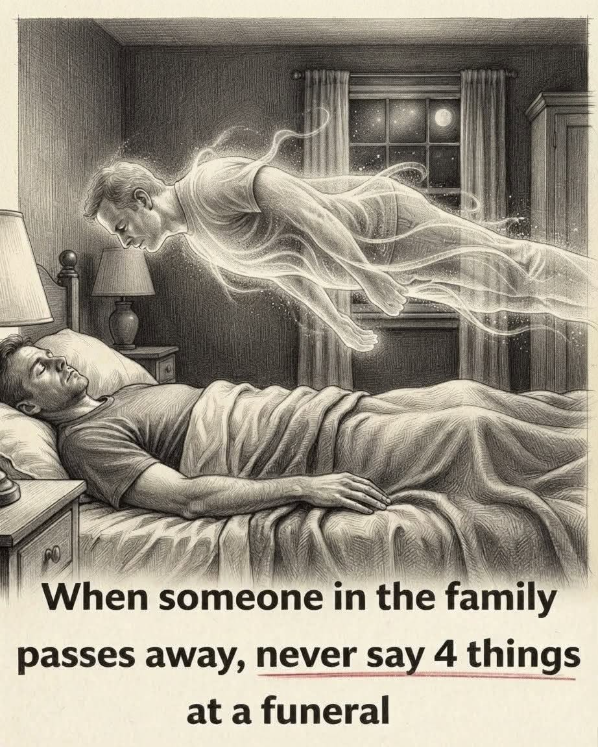
Here are four funeral speech blunders and the reasons they should be avoided.
Although this expression is frequently used to offer support, it may inadvertently contradict the pain that someone is experiencing. It may seem like spiritual comfort to tell someone that their loved one is “in a better place,” but to someone who is still grieving, it may come off as a dismissal of their suffering or an attempt to hasten their recovery.
“I’m so sorry for your loss. I’m here if you need anything.” Simple, honest words often mean the most.
No amount of time makes losing someone easier, even though age can play a role in acceptance. It can be painful to assume that their longevity somehow eases the d3ath. As if they should be more “thankful” than devastated, emphasising that grief has no end date could make the bereaved feel bad for experiencing pain.
“They touched so many lives. I know they meant a lot to you.” Acknowledge the loss without comparing or minimizing it.
Grief is extremely personal and differs from person to person, even if you have experienced a comparable loss. Saying “I know how you feel” can turn the discussion from the person who is mourning to you. If you have a different relationship with loss than they do, it could also come across as haughty or cruel.What to say instead:
“I can’t imagine what you’re going through, but I’m here for you.” Showing support without making assumptions goes a long way.
This expression can be more aggravating than consoling, even though it may have come from intellectual or spiritual ideas. It can come across as cold or unduly detached to try to give a loved one’s passing any significance or rationale. Instead of just standing with them in their pain, it could seem like you’re attempting to rationalise it away.
“This must be incredibly hard. I’m so sorry.” Recognizing the difficulty of the moment shows compassion and respect.
Your words at a funeral or when expressing condolences don’t have to be symbolic; they just need to be kind and considerate. Being there, giving a hug, or listening quietly can sometimes have a greater impact than words.



0 comments:
Post a Comment