Top Ad 728x90

Showing posts with label Health & Wellness. Show all posts

Thursday, October 22, 2026

3 year old girl d es

3 year old girl d es

by
3 year old girl d es

But what happens when a seemingly ordinary infestation becomes severe?

Stories about children becoming seriously ill after prolonged or untreated lice infestations have attracted attention online, reminding parents that even common childhood problems deserve attention. Although head lice themselves are not generally considered a life-threatening condition, a severe infestation can sometimes contribute to complications, particularly when a child is very young, the infestation has been neglected for a long period, or scratching leads to skin damage and infection.

That is why parents should know what lice look like, how they spread, how to treat them properly, and when medical attention is necessary.

Head lice are tiny parasitic insects that live on the human scalp and feed on small amounts of blood. They attach their eggs, commonly called nits, to individual hairs close to the scalp.

Children between the ages of three and eleven are particularly likely to experience head lice because of frequent close contact with other children.

Lice do not mean that a child is dirty or that a family has poor hygiene. They can affect children from any household. They are usually spread through direct head-to-head contact rather than because someone has an unclean home.

Sharing combs, brushes, hats, headphones, pillows, or other personal items can sometimes contribute to transmission, although direct contact is the most common route.

For parents, the important thing is not to feel embarrassed. The important thing is to recognize the infestation and deal with it appropriately.

One of the most recognizable symptoms of head lice is itching.

A child may repeatedly scratch their scalp, especially behind the ears or around the back of the neck. Some children, however, experience little or no itching during the early stages of an infestation.

Other possible signs include:

Parents should understand the difference between nits and ordinary dandruff.

Dandruff usually flakes away easily. Nits are attached firmly to the hair shaft and can be difficult to remove with the fingers.

If a parent is unsure whether a child has lice, a healthcare professional, pharmacist, school nurse, or another qualified provider can help confirm the diagnosis.

For most children, head lice are uncomfortable rather than dangerous.

However, leaving a significant infestation untreated for a long time can create additional problems.

Constant scratching can break the skin. Once the skin barrier is damaged, bacteria can enter and cause a secondary infection.

Signs of a possible skin infection may include increasing redness, swelling, warmth, pain, pus, crusting, or fever.

A child who scratches continuously may also develop sores on the scalp. In severe or prolonged cases, hair can become tangled or matted, making treatment more difficult.

Another concern is that persistent itching can interfere with sleep. A young child who is repeatedly waking during the night may become tired, irritable, or have difficulty concentrating during the day.

These complications are very different from saying that ordinary head lice directly cause death. Parents should be cautious about frightening claims online that suggest every lice infestation is immediately dangerous.

Parents of toddlers and preschool-aged children may need to be particularly attentive.

A three-year-old may not always be able to explain what is happening. Instead of saying, “My scalp is itching,” a young child may simply become restless, cry frequently, scratch their head, or have difficulty sleeping.

Parents can periodically inspect their child's scalp, especially if there has been a known lice outbreak at daycare, preschool, or school.

Good lighting can make examination easier.

Look carefully around the ears, the neckline, and areas close to the scalp. A fine-toothed lice comb can also be useful for detecting live lice.

If the child is very young, has extensive scalp irritation, or the parent is uncertain about treatment, speaking with a healthcare professional is a sensible step.

Finding one live louse does not mean the problem will disappear after one treatment.

Many lice treatments require careful application and, depending on the product, a second treatment several days later.

Parents should always follow the instructions on the specific treatment product or advice provided by a healthcare professional.

It is also important to understand that some products kill live lice more effectively than eggs. This is one reason follow-up treatment or combing may be recommended.

Wet-combing with a fine-toothed comb can help remove lice and nits from the hair. It can be time-consuming, but careful combing can be an important part of managing an infestation.

Parents should avoid repeatedly applying different chemical treatments without professional guidance. More treatment does not necessarily mean faster treatment, and improper use can irritate a child's scalp

BREAKING NEWS A few hours ago

BREAKING NEWS A few hours ago

by
BREAKING NEWS A few hours ago

đŸ”´ BREAKING NEWS: Major Fire Erupts in Glasgow City Centre Near Central Station

Read Daily News

March 8, 2026

A dramatic and rapidly spreading fire has shaken the heart of Glasgow, sending thick plumes of smoke across the skyline and forcing emergency services to shut down large sections of the city center.

Get Prep Kits

The blaze broke out near Glasgow Central Station, one of Scotland’s busiest transportation hubs, prompting an urgent response from firefighters, police, and emergency medical services. Authorities quickly evacuated nearby buildings and sealed off surrounding streets as crews battled the flames.

Witnesses described chaotic scenes as sirens echoed through the streets and dark smoke drifted across nearby neighborhoods. Businesses, hotels, and shops were forced to close as firefighters worked urgently to contain the blaze and prevent it from spreading further.

Get Smoke Alarms

The incident has caused widespread disruption, raised safety concerns, and triggered an investigation into what caused the fire.

Fire Breaks Out in the City Centre

Get Prep Kits

According to early reports, the fire started in a building on Union Street, a busy commercial area in central Glasgow located just steps away from the historic railway station.

The blaze is believed to have originated inside a ground-floor retail unit, though authorities have not yet confirmed the exact cause.

Within minutes of the first emergency calls, flames spread rapidly through the structure. Smoke billowed into the air as the fire climbed upward through the building’s upper floors.

Get Smoke Alarms

Witnesses nearby said they could see flames from several blocks away.

Many people in the area reported hearing loud bangs shortly after the fire began. Officials believe these noises may have been caused by gas cylinders or other materials inside the building igniting during the blaze.

Chaos on the Streets

The sudden fire triggered a swift emergency response, but it also created scenes of confusion and alarm among residents, workers, and visitors in the city center.

People in nearby buildings quickly evacuated as smoke spread through the surrounding streets.

Eyewitnesses described seeing:

Thick black smoke covering parts of the skyline

Flames bursting from upper floors of the building

Emergency vehicles rushing into the area from multiple directions

Police sealing off roads to keep pedestrians safe

Some bystanders filmed the blaze as it intensified, with videos circulating online showing towering flames and firefighters working from aerial ladders to contain the fire.

Massive Emergency Response

The Scottish Fire and Rescue Service launched a major operation to control the blaze.

More than 60 firefighters were deployed to the scene, supported by several fire engines and specialized equipment.

Fire crews used:

high-reach aerial ladders

powerful water cannons

breathing apparatus units

coordinated firefighting teams

Because many buildings in the area date back more than a century, firefighters faced the additional challenge of preventing structural collapse.

Older buildings often contain hidden voids and wooden structures that allow flames to spread quickly.

Protecting nearby buildings became one of the top priorities for emergency crews.

Evacuations Across the Area

Authorities quickly ordered evacuations of buildings surrounding the fire.

Several nearby hotels, offices, restaurants, and retail stores were cleared as a precaution.

Among the locations evacuated was the historic Grand Central Hotel, located close to Glasgow Central Station.

Guests and staff were escorted outside while emergency services assessed the risk of the fire spreading.

Police established safety cordons around multiple streets to keep the public away from the danger zone.

Officers urged residents and visitors not to gather near the scene so firefighters could operate safely.

Transport Disruptions Across the City

One of the most immediate consequences of the fire was the shutdown of Glasgow Central Station, the busiest railway station in Scotland.

Train services were temporarily halted as authorities assessed whether the fire posed any risk to the station’s infrastructure.

Thousands of commuters and travelers were affected as services were delayed or canceled.

Passengers were advised to:

avoid traveling through the area

check rail updates before departing

use alternative transport routes where possible

The disruption highlights how closely connected urban infrastructure can be. When emergencies occur near major transport hubs, the effects can quickly ripple across an entire city.

Eyewitness Accounts

People who witnessed the blaze described a frightening and intense scene.

One local resident said:

“You could see the flames from streets away. The smoke was thick and dark, almost like a storm cloud over the city.”

Another witness described hearing a loud explosion before the fire spread further.

“There was a big bang and then suddenly the fire got much bigger.”

Many people gathered at a distance to watch firefighters battle the flames, while others hurried away from the area to avoid the smoke.

These accounts illustrate just how quickly fires can escalate in dense urban environments.

Threat to Historic Buildings

The fire raised serious concerns about the safety of nearby historic structures.

Glasgow’s city center is famous for its architectural heritage, with many buildings dating back to the 19th century.

Some of these buildings feature complex designs, older materials, and interconnected spaces that can allow fire to spread rapidly.

Firefighters worked carefully to prevent the blaze from reaching nearby landmarks.

Protecting these historic buildings was a major priority throughout the emergency response.

Government Response

Scottish officials quickly responded to the incident.

Scotland’s First Minister John Swinney expressed concern about the fire and thanked emergency responders for their efforts.

In a public statement, he urged people to avoid the affected area and allow firefighters to carry out their work safely.

Local authorities are expected to coordinate closely with emergency services as they assess the damage once the fire is fully extinguished.

Officials also emphasized that public safety remains the highest priority.

Investigation Into the Cause

At the time of writing, the exact cause of the fire remains unknown.

Fire investigators will begin a detailed examination once the scene is considered safe.

Possible causes being considered include:

electrical faults

accidental ignition

gas leaks or equipment malfunction

structural issues within the building

Investigators typically analyze burn patterns, witness reports, and surveillance footage to determine how a fire began.

Identifying the cause will be essential not only for accountability but also for preventing similar incidents in the future.

The Challenges of Fighting Urban Fires

Urban fires present unique difficulties for emergency responders.

City centers often include:

tightly packed buildings

narrow streets

high pedestrian traffic

aging infrastructure

These factors can slow emergency response times and increase the risk of fire spreading between buildings.

In this case, firefighters had to work quickly while also ensuring their own safety in a potentially unstable structure.

Preventing the blaze from spreading further required careful coordination between multiple teams.

Impact on Businesses and Residents

Major fires in city centers can have lasting economic and social effects.

Local businesses in the affected area may face temporary closures while authorities inspect buildings for safety.

Possible impacts include:

property damage

loss of business revenue

insurance claims

temporary job disruptions

However, cities like Glasgow have shown resilience in the past when dealing with similar emergencies.

Local communities often come together to support affected businesses and residents.

What Happens Next

Once firefighters fully extinguish the blaze, investigators and engineers will begin assessing the structural damage.

Authorities will need to determine:

whether the building can be repaired

whether nearby structures are safe

when roads and transportation services can reopen

These assessments can take days or even weeks depending on the severity of the damage.

City officials may also review safety procedures and building regulations following the incident.

A Reminder of Urban Vulnerability

The Glasgow fire serves as a reminder of how quickly emergencies can unfold in densely populated cities.

Even with modern safety systems and rapid emergency response, fires can escalate rapidly—especially in older buildings.

At the same time, the swift response from firefighters and emergency services demonstrates the importance of preparation and coordination.

Their quick action likely prevented the fire from spreading further and causing even greater damage.

Conclusion

The major fire in central Glasgow has shocked residents and drawn national attention.

Although the full extent of the damage is still being determined, the incident highlights both the vulnerabilities of urban infrastructure and the vital role of emergency services.

For now, the focus remains on ensuring public safety, investigating the cause of the blaze, and beginning the process of recovery.

As firefighters continue their work and authorities gather more information, the people of Glasgow—and observers across the country—are watching closely as the city works to recover from this dramatic event.

il y a 30 minutes voir

il y a 30 minutes voir

by
il y a 30 minutes voir

BREAKING — A major aviation emergency has been reported after a passenger aircraft carrying more than 244 people was said to have crashed, triggering an immediate response from emergency crews and local authorities.

Initial reports described a heavily damaged crash site, with witnesses reportedly seeing smoke and flames rising from the area. Emergency personnel were dispatched as authorities worked to secure the scene, assess the extent of the damage and determine whether passengers or crew members had survived.

Officials cautioned that information remained preliminary and could change as investigators gathered verified details. The aircraft’s identity, flight route, exact crash location and circumstances surrounding the incident had not been fully established in the information initially available.

Emergency responders reportedly faced difficult conditions while working through the crash area. Search and rescue teams focused first on locating survivors, reaching anyone trapped in the wreckage and providing medical assistance to those who may have been injured.

Nearby hospitals and medical facilities were reportedly placed on alert as authorities prepared for the possibility of a large number of casualties.

With more than 244 people believed to have been aboard, authorities face the challenging task of accounting for every passenger and crew member. Officials are expected to coordinate with emergency agencies, hospitals, airports and aviation authorities as the response continues.

Families of those believed to have been aboard the aircraft are also awaiting official information. Authorities typically work to confirm passenger manifests and identities before releasing details publicly, particularly when casualty information remains uncertain.

Officials have urged the public to rely on verified statements and avoid circulating unconfirmed reports, graphic images or videos from the crash site.

Once the immediate rescue operation is completed, investigators will begin examining the circumstances that led to the crash.

Aviation investigators typically consider numerous potential factors, including mechanical or technical problems, weather conditions, air-traffic communications, flight crew actions and maintenance history. Investigators may also review flight-data recordings, cockpit communications, radar information and other operational records.

Physical evidence from the wreckage will be carefully documented and analyzed as investigators attempt to reconstruct the aircraft’s final moments.

At this stage, authorities have not publicly established a cause, and any explanation offered before investigators complete their examination would remain speculative.

The reported crash has prompted concern among families, aviation officials and communities connected to the flight. As emergency operations continue, authorities are expected to release additional information when it has been confirmed.

The immediate priorities remain clear: locate possible survivors, provide medical assistance, account for everyone aboard and secure the crash site.

Until officials complete their initial assessment, key details—including the confirmed number of casualties, the aircraft involved and the cause of the crash—remain unverified.

9 hurt including newborn baby in

9 hurt including newborn baby in

by
9 hurt including newborn baby in

9 Hurt, Including a Newborn Baby, in Ambulance Rollover Crash

An ambulance is supposed to represent help arriving when someone needs it most.

Its flashing lights, siren and medical equipment are associated with emergency care, trained professionals and the urgent race to save a life.

That is what makes reports of an ambulance rollover involving a newborn especially disturbing.

According to the account circulating online, an ambulance carrying a newborn and several other people overturned while traveling toward a hospital, leaving nine people injured. The supplied account says the infant, medical personnel and the driver were among those involved, and that the newborn and two nurses were taken to the hospital in stable condition.

The circumstances surrounding the crash remain important because early reports can change as investigators collect additional evidence.

What initially appears to be a straightforward accident may involve several contributing factors, including road conditions, vehicle movement, traffic, mechanical issues, visibility or driver decisions.

For the people inside the ambulance, however, those questions came later.

First came the crash.

Then came the rescue.

And for the families involved, the most important question was whether everyone would survive.

A Journey to the Hospital Suddenly Became an Emergency

The ambulance was reportedly transporting a newborn when the journey was interrupted by the rollover.

A trip that was supposed to move a vulnerable patient toward medical care suddenly became another emergency of its own.

The supplied report describes the ambulance losing control, overturning multiple times and eventually coming to rest on its side.

Inside an ambulance, there is considerably less room than in an ordinary passenger vehicle.

Medical equipment, seats, stretchers and other equipment are arranged to allow medical professionals to care for patients while the vehicle is moving.

When an ambulance overturns, that carefully organized environment can instantly become chaotic.

Passengers may be disoriented.

Equipment can shift.

Doors may become difficult to open.

And rescuers arriving at the scene must first determine the safest way to reach everyone inside.

The supplied account says emergency responders arrived quickly and worked to rescue people from the overturned vehicle.

The Newborn Was Among Those Injured

Perhaps the most emotionally difficult part of the story is the presence of a newborn.

An infant is particularly vulnerable in any serious transportation accident.

Unlike an adult, a newborn cannot understand what is happening or protect themselves from the sudden movement of a vehicle.

That makes the condition of the baby one of the first things many people naturally want to know.

According to the supplied account, the newborn was transported to the hospital and was reported to be in stable condition along with two nurses.

That detail provides an important measure of reassurance in an otherwise frightening story.

At the same time, "stable" is a medical description, not a guarantee that someone has no injuries.

Patients involved in a significant collision can require observation, imaging, treatment or additional evaluation even when they are initially described as stable.

That is why medical teams continue monitoring patients after the immediate danger has passed.

Nine People Were Reported Injured — But Early Numbers Can Change

The headline circulating online says nine people were hurt.

The supplied article also states that nine people were injured, including the newborn, medical staff and the driver.

However, it is worth being careful with injury counts in developing accident stories.

A good example comes from a documented ambulance rollover in Dougherty County, Georgia, in September 2025.

Initial reporting described nine people involved and said the newborn was among those injured. Later reporting from WALB, citing Georgia State Patrol, clarified that nine people were involved but eight were reported injured. Three people were in a pickup truck, five were in the ambulance and one person was in a third vehicle.

That example demonstrates why readers should avoid assuming that the first number appearing in a viral headline is necessarily the final official count.

Did you know that having visible veins means you are… See more

Did you know that having visible veins means you are… See more

by
Did you know that having visible veins means you are… See more

Why your veins look more prominent: body signals you should understand

At some point, many people look at their hands or arms and notice that their veins appear more visible or prominent than usual. This often leads to concern and immediate questions about whether it’s a health problem or an abnormal change in the body. However, in most cases, the appearance of prominent veins is due to completely normal factors and poses no risk. Even so, paying attention to this detail can help you better understand what your body is

trying to tell you. continues on the .

One of the most frequent causes of prominent veins is body fat percentage . People with a slim build or greater muscle mass tend to have a thinner layer of fat under the skin, making their veins more visible. This is common in those who exercise regularly , especially strength training or intense StudyAnatomy

Small shampoo bottles in hotels carry risks that few travelers are aware of.

Small shampoo bottles in hotels carry risks that few travelers are aware of.

by
Small shampoo bottles in hotels carry risks that few travelers are aware of.

Small bottles of shampoo, conditioner, and shower gel are a common sight in hotels. Many guests use them without a second thought, even packing them into their suitcases before leaving.

However, behind these products lies a little-known reality: while most are safe, there have been reports of bacterial contamination, lack of required approvals, and hygiene issues with reusable dispensers.

This doesn’t mean that all hotel cosmetics are unsafe, but it’s worth checking them before using them.

A case that caused concern

One of the most serious incidents occurred in the&

nbsp;

United States. Gilchrist & Soames, a supplier of hygiene products to numerous hotels, was forced to recall millions of units of shampoo, conditioner, body lotion, and shower gel.

An inspection by the US Food and Drug Administration (FDA) revealed significant microbiological contamination of some products.

Among the detected microorganisms was the bacterium *Pseudomonas aeruginosa* (Pseudomonas aeruginosa), which can cause infections, especially in people with a weakened immune system, open wounds

or co-occurring diseases.

The FDA also found deficiencies in manufacturing processes, cleaning procedures, raw material control, and contamination prevention.

The

company subsequently implemented corrective actions, and in 2018, the agency announced the completion of its review of these actions.

Official source: https://www.fda.gov/inspections-compliance-enforcement-and-criminal-investigations/warning-letters/gilchrist-soames-485833-02202018

This case shows that even products manufactured for well-known hotels can raise concerns if sanitary control procedures fail.

Products without the required permits were also detected.

The problem is not limited to one company.

Philippine health authorities issued a warning about a product called “Grand Regal Hotel Conditioning Shampoo” because it lacked the necessary approvals. Because the product had not

been registered,

During a subsequent inspection of tourist facilities in the country, authorities noted that more than half of the toiletries suppliers inspected were not properly registered.

This does not mean that all their products were contaminated, but it does indicate thatthey may have been produced or placed on the market without the required quality control.

Risks associated with refillable dispensers

To reduce plastic consumption, many hotels have replaced small, individual bottles with large dispensers

installed in the shower.

While this solution can be environmentally beneficial, the type

of system used is crucial.

Dispensers that use sealed, replaceable cartridges offer greater safety. However, dispensers that open to pour shampoo from a large container can become contaminated if not properly cleaned and disinfected before refilling.

Scientific studies of refillable dispensers have shown that bacteria can grow and form biofilms inside these systems. Previous studies cited by the researchers found contaminants in approximately one in four dispensers tested.

Topping up occurs when new product is added without first emptying, washing, disinfecting, and drying the container.Bacteria present in product residues

may adhere to the inner walls and contaminate the newly poured contents.

There’s also a risk of tampering with the dispenser by guests if it’s easy to open. Stories circulate online about people allegedly pouring depilatory cream or other substances into these containers.

While there is no evidence that this is common practice, an open or unsecured dispenser is an avoidable risk.

How can you tell

if hotel shampoo may be dangerous?

Before use, it is worth paying attention to a few details.

Do not use the product if

the bottle:

It has a broken seal or appears to have been previously opened.

Shows signs of leakage around the cap. Contains fluid that has separated, is lumpy, or has an unusual color.

It emits an unusual smell.

It is completely devoid of any label or markings.

Looks like it has been refilled or used.

It has expired or comes from an unknown source.

In the case

of large dispensers, it is worth making sure that they are securely fastened and closed and that they are notshow signs of

tampering. If the lid can be easily lifted or the contents look unusual, it is best not to use it.

10 Scientifically Backed Reasons Why You Should Consume Ginger Regularly

10 Scientifically Backed Reasons Why You Should Consume Ginger Regularly

by
10 Scientifically Backed Reasons Why You Should Consume Ginger Regularly

Ginger has been used for centuries in traditional medicine and cooking. Modern research suggests that it contains bioactive compounds, particularly gingerol, which may offer several health benefits. While ginger is not a cure-all, incorporating it into a balanced diet may support overall health.

  1. Helps Relieve Nausea

Ginger is one of the most well-studied natural remedies for nausea. It may help reduce symptoms associated with:

Morning sickness during pregnancyMotion sicknessChemotherapy-related nausea (when approved by a healthcare provider)Recovery after surgery2. Supports Healthy Digestion

Ginger may stimulate the

digestive process and help food move through the stomach more efficiently. This can reduce feelings of fullness, indigestion, and mild stomach discomfort.

  1. May Reduce Inflammation

The natural compounds in ginger have anti-inflammatory properties. Regular consumption may help lower inflammation, which plays a role in many chronic health conditions.

  1. Can Help Ease Joint Pain

Some studies suggest that

people with osteoarthritis may experience modest improvements in joint pain and stiffness when ginger is included as part of their overall treatment plan.

  1. Rich in Antioxidants

see the continuation on the next

page

Ginger provides antioxidants that help protect cells from oxidative stress caused by free radicals, supporting overall health and healthy aging.

  1. May Support Heart Health

Research suggests ginger may help support cardiovascular health by contributing to healthy cholesterol levels, blood sugar control, and blood vessel function. However, it should not replace prescribed medications.

  1. May Help Maintain Healthy Blood Sugar

Some small studies have found that ginger may improve insulin sensitivity and help support healthy blood sugar levels in certain individuals. More research is needed, and people with diabetes should

consult their healthcare provider before using ginger supplements.

  1. Supports Immune Function

Although ginger does not prevent or cure infections, its antioxidant and anti-inflammatory compounds may help support the normal

functioning of the immune system as part of a healthy diet.

  1. May Help Reduce Menstrual Discomfort

Several clinical studies suggest that ginger may reduce menstrual pain when taken during the first few days of the menstrual cycle, with effects comparable to some over-the-counter pain relievers in certain cases.

  1. A Versatile, Nutritious Addition to Your Diet

Fresh ginger is easy

to include in everyday meals. You can enjoy it in:

see the continuation on the

Herbal teaSmoothiesStir-friesSoupsMarinadesFresh juicesBaked goodsSimple Ginger Tea Recipe

Ingredients1-inch (2–3 cm) piece of fresh ginger, sliced2 cups (500 ml) water1 teaspoon honey (optional)Fresh lemon juice (optional)InstructionsBring the water to a boil.Add the sliced ginger.Simmer for 10–15 minutes.Strain into a cup.Add honey or lemon if desired.Enjoy warm.A Few Precautions

see the continuation on the next

page

While

ginger is safe for most people in normal food amounts:

Large amounts may cause heartburn or stomach irritation.Ginger may interact with blood-thinning medications such as warfarin.If you are pregnant, have gallstones, or take prescription medications, consult your healthcare provider before consuming large amounts of ginger or taking ginger supplements.Final Thoughts

Ginger is a flavorful spice with a growing body of scientific evidence supporting its health benefits. It may help with nausea, digestion, inflammation, and overall wellness when enjoyed regularly as part of a balanced

diet. However, it is not a cure for serious illnesses, and no single food can replace a healthy lifestyle or appropriate medical care.

This natural and effective remedy for relieving constipation

This natural and effective remedy for relieving constipation

by
This natural and effective remedy for relieving constipation

Constipation is a common digestive problem that makes bowel movements difficult, infrequent, or uncomfortable. For some people, it is occasional. For others, it can become a recurring problem that affects daily comfort and quality of life.

Typical symptoms can include bloating, abdominal discomfort, hard stools, straining, and the feeling that the bowel has not emptied completely.

What Causes Constipation?

Constipation can happen for many reasons, including:

Not eating enough fiberNot drinking enough fluidsPhysical inactivityChanges in routine or travelCertain medicationsStressPregnancySome medical conditions

Older adults

are also more likely to experience constipation because bowel movements may naturally slow with age and medication use often increases.

Psyllium: A Natural Source of Soluble Fiber

Psyllium, also called ispaghula, is a type of soluble fiber made from the husks of Plantago ovata seeds.

When mixed with water, psyllium absorbs liquid and forms a soft gel. This can help add bulk and moisture to stool, making it easier to pass.

For this reason, psyllium is commonly used as a bulk-forming laxative.

How to Take Psyllium Safely

Psyllium should always

be taken with enough fluid.

A typical approach is to mix the amount recommended on the product label into a full glass of water, stir well, and drink it promptly before it thickens.

Then drink additional water if the instructions recommend it.

Do not take dry psyllium powder by itself.

How Quickly Does It Work?

Psyllium is not usually an instant laxative.

Some people notice improvement within a day, while others may need two or three days of regular use before bowel movements become easier.

Because it works by increasing

stool bulk, it is generally gentler than stimulant laxatives.

Is Psyllium Safe for Long-Term Use?

For many people, psyllium can be used regularly as part of a high-fiber routine.

However, the claim that it carries “no health risks” is too strong.

Psyllium can sometimes cause:

GasBloatingAbdominal discomfort

It can also be unsafe if taken without enough water because it may swell before reaching the stomach.

People with swallowing difficulties, intestinal narrowing, severe abdominal pain, or suspected bowel obstruction should not use psyllium without medical advice.

Psyllium Can Affect

Medications

Because fiber can change how certain medicines are absorbed, it is often recommended to separate psyllium from prescription medications by a few hours.

If you take daily medication, ask a pharmacist how long you should wait between taking psyllium and your medicine.

Other Natural Ways to Help Constipation

Psyllium can be useful, but it works best as part of a broader routine.

Helpful habits include:

Eating more vegetables, fruits, beans, and whole grainsDrinking enough fluidsWalking or exercising regularlyGoing to the bathroom when you feel the urge

Keeping a regular meal schedule

Prunes and prune juice can also help some people because they provide fiber and sorbitol, which can draw water into the bowel.

What About Honey, Olive Oil, or Black Radish Juice?

These are sometimes promoted as natural constipation remedies, but the evidence is not equally strong.

Honey may have a mild osmotic effect in some people, and olive oil may be easy to include in a balanced diet, but neither is a proven replacement for fiber, fluids, movement, or appropriate laxative treatment.

Black radish juice

has much less evidence as a standard constipation treatment.

When Constipation Needs Medical Attention

See a healthcare professional if constipation is:

New and persistentSevereAssociated with blood in the stoolAccompanied by unexplained weight lossAssociated with vomitingCausing significant abdominal swelling or painAlternating with unexplained diarrhea

Also seek advice if constipation continues despite increasing fiber and fluids.

The Bottom Line

Psyllium is one of the better-supported natural options for constipation because it adds soluble fiber and helps make stool softer and bulkier.

But it should be used

correctly: mix it with plenty of water, drink it promptly, and follow the dosage instructions on the product.

For long-term relief, the most effective approach is usually a combination of fiber, fluids, movement, regular bowel habits, and medical evaluation when symptoms persist or become severe.

Common changes that may appear after age 75 and how to deal with them in a healthy way.

Common changes that may appear after age 75 and how to deal with them in a healthy way.

by
Common changes that may appear after age 75 and how to deal with them in a healthy way.

Most people assume that aging unfolds slowly, visibly, and in a fairly predictable way. Yet research has revealed something far more subtle and surprising: around the age of 75, the body enters a new biological phase marked by deep internal changes. These shifts are quiet, painless, and often invisible at first, but they significantly alter how the body operates.

This happens regardless of whether you’ve lived a healthy lifestyle, stayed active, or eaten well. These processes are part of human biology and affect everyone. The real difference is whether you

understand them and adjust accordingly.

Below are five major transformations that commonly occur after age 75.5. Sleep patterns are reshaped

After 75, the brain no longer sleeps the way it once did.

The phase of deep sleep, essential for tissue repair, memory consolidation, and physical recovery, becomes much shorter. At the same time, the body produces less melatonin each year, making it harder to fall asleep and remain asleep.

Your internal clock also shifts earlier. You may feel sleepy sooner in the evening and wake up very early in

the morning. Sleep becomes lighter and more fragmented, with frequent awakenings during the night, even if you don’t always recall them.

This doesn’t mean sleep is worse—just different. Trying to force old routines often leads to insomnia and frustration. Your body is simply operating on a new rhythm.

  1. Temperature regulation weakens The body’s ability to manage heat and cold declines.

Neurons in the brain that sense temperature decrease, the skin becomes thinner, and metabolism generates less internal heat.

As a result, older adults often feel cold when others are

comfortable

or become overheated more easily. Signals for thirst, chills, or overheating also become less reliable, increasing the risk of dehydration, heat exhaustion, or hypothermia.

Overall tolerance to temperature changes drops noticeably.

  1. Digestion slows and becomes more sensitive

After 75, the digestive system enters a phase of long-term slowdown.

The body produces less saliva, stomach acid, and digestive enzymes. Nutrient absorption becomes less efficient, and intestinal movement slows, often causing bloating, heaviness, and constipation.

This explains why foods that were once easy to digest may now cause discomfort, gas,

or a

sensation that food is sitting heavily in the stomach.

This isn’t a sudden food intolerance—it’s a physical change in how the digestive system functions.

  1. Balance declines on multiple fronts From around age 75, several systems involved in balance weaken at the same time:

The inner ear loses motion-sensing cells

Muscles and joints provide less precise feedback

Parenting advice books

Intergenerational conflict advice

Family support groups

Vision loses depth perception and contrast

Meanwhile, the brain processes information more slowly. Together, these changes raise the risk of

falls, even among

physically active individuals.

The body simply needs more time to respond to slips, uneven surfaces, or sudden movements.

  1. Muscle loss speeds up This is the change that influences all the others.

After 75, muscle loss accelerates significantly. It affects not only strength, but also balance, endurance, mobility, and overall energy.

Muscles respond less effectively to protein and exercise. Fewer cells are available to repair muscle tissue, while inflammation increases, causing muscle to break down faster than it can be rebuilt.

Even short periods of inactivity can

lead to noticeable losses

that are difficult to regain.

Practical guidance for daily life

For better sleep

Go to bed when you feel sleepy, even if it’s early

Use mornings for important activities

Limit screens and bright lights in the evening

Keep the bedroom cool, quiet, and dark

For temperature regulation

Maintain indoor temperatures between 20–23°C

Dress in layers

Drink water regularly, even without thirst

Avoid extreme heat or cold

For digestion

Watches

Presidential library tickets

family

Eat smaller meals every 3–4 hours

Chew thoroughly and eat

slowly

Favor soft, cooked,

and fermented foods

Increase fiber intake gradually

For balance

Improve lighting throughout the home

Remove loose rugs and clutter

Wear supportive shoes, even indoors

Practice balance-focused exercises

For muscle health

Include protein in every meal

Choose foods like eggs, dairy, legumes, fish, and poultry

Do age-appropriate strength exercises

Avoid long stretches of inactivity

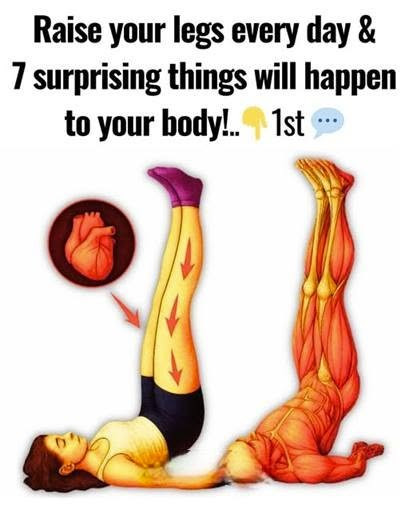
Raise your legs every day & 7 surprising things will happen to your body!

Raise your legs every day & 7 surprising things will happen to your body!

by
Raise your legs every day & 7 surprising things will happen to your body!

You know, sometimes the simplest things in life can make the biggest difference. And when it comes to your health, a super easy practice called “legs up the wall” might just be one of those game-changers. It’s a gentle pose that can help your body in surprising ways, from easing tired legs to calming your mind.

What Is “Legs Up The Wall” and How Does It Work?

So, what exactly is this “legs up the wall” thing? It’s pretty much what it sounds like. You lie on your back

with your legs resting straight up against a wall. The goal is to get your backside as close to the wall as you can, so your body forms a kind of “L” shape. But don’t worry if you can’t get super close right away; the main idea is to feel comfortable and relaxed, not to push yourself into pain. If it

hurts, you’re doing it wrong.

Now, why does this simple pose work so well? Well, think about it: throughout your day, especially if you’re sitting or standing

a lot, gravity is constantly pulling blood down into your legs. In fact, about 30% of your blood can end up hanging out in your lower body. For some folks, this can lead to all sorts of annoying symptoms like swelling, heaviness, and even cramps. When you put your legs up, you’re basically giving gravity a helping hand. Instead of fighting against it, you’re using it to gently guide that blood back towards your upper body and heart. This helps relieve pressure in your legs and can make a big

difference in how you feel overall. It’s like giving your circulatory system a little break and a fresh start.

Seven Ways Lifting Your Legs Can Help Your Body

This simple pose might

seem too easy to be true, but it really does offer a bunch of good things for your body. Let’s look at some of the ways it can help you feel better.

  1. Soothe Tired Legs and Varicose Veins
  2. Soothe Tired Legs and Varicose Veins

If you deal with varicose veins, you know how uncomfortable they can be. These are basically veins that

aren’t working as well as they should. Putting your legs up is one of the best ways to ease the discomfort, especially in the deeper parts of your legs, like your calves. Just 10 to 20 minutes a day can make a big difference. You’ll notice your legs feel more rested, and over time, it can even help your muscles work better to keep your blood flowing and drain away any extra fluid.

  1. Reduce Swelling and Heaviness This is a big one, especially for anyone who spends a lot
  1. of time sitting at a desk or standing on their feet. Even if you’re generally healthy, staying in one position for too long can cause blood to pool in your legs. This can lead to swelling, but sometimes it just feels like your legs are super heavy or tired. If you get that heavy leg feeling, it’s a good sign that this pose could help you out. It gives your legs a chance to “reset” and get rid of that pooled blood. Boost Your Digestion (With a Catch!) Here’s
  2. desk or standing on their feet. Even if you’re generally healthy, staying in one position for too long can cause blood to pool in your legs. This can lead to swelling, but sometimes it just feels like your legs are super heavy or tired. If you get that heavy leg feeling, it’s a good sign that this pose could help you out. It gives your legs a chance to “reset” and get rid of that pooled blood.
  3. Boost Your Digestion (With a Catch!) Here’s
  1. where it gets interesting. When you’re in this pose, it can actually help calm your nervous system. There’s a part of your nervous system that helps you relax and digest food better. This pose can also improve blood flow to your belly and digestive organs. Now, for the “catch”: Don’t lie down right after eating. This can cause stomach acid to come back up, which isno fun, especially if you already have issues with heartburn. Instead, try this: After a meal, sit in a chair and prop your legs
  2. where it gets interesting. When you’re in this pose, it can actually help calm your nervous system. There’s a part of your nervous system that helps you relax and digest food better. This pose can also improve blood flow to your belly and digestive organs.
  1. up on some pillows so they’re about level with your heart. Do this for 10 to 15 minutes. Then, take a short walk. Another 10 to 15 minutes of gentle walking after eating can really help your digestion. For constipation or bloating: If you’re feeling really bloated or having trouble going to the bathroom, try doing the “legs up the wall” pose first thing in the morning, before you eat breakfast. It can help get your insides moving. 4. Fight Fatigue and Stress If you follow the tips for doing
  1. this pose right, you’ll find it’s a great way to relax both your body and your mind. Over time, this can help lower your stress levels, make you feel less anxious, and even help you sleep more soundly. When you get good, restful sleep, your whole nervous system benefits. Ease Muscle Tension and Pelvic Pain This pose can be a real relief for tight muscles, especially in your neck, back, shoulders, and even your hips. For some women, it can even help with menstrual cramps. And here’s something many
  2. Ease Muscle Tension and Pelvic Pain
  1. people don’t know: just like you can get varicose veins in your legs, some women can get them inside their pelvis. These aren’t visible on the skin, but they can cause a lot of chronic pressure or pain in that area. Doing “legs up the wall” can improve blood flow to that part of your body too, often bringing quick relief. Build Strength and Flexibility While it’s a relaxing pose, it also gently works on your flexibility, especially in your hips, calves, and the back of your thighs. It
  2. Build Strength and Flexibility While it’s a relaxing pose, it also gently works on your flexibility, especially in your hips, calves, and the back of your thighs. It
  1. can also help strengthen the muscles that support your legs. Relieve All Kinds of Aches This upside-down position has been shown to help with pain not just in your legs and feet, but also in your lower back, and even your knee and hip joints. And get this – it might even help with migraines! Doing it at night can help you wind down and sleep better, making it a perfect way to end your day. Doing it in the morning can give your whole body a boost. Try it both
  2. can also help strengthen the muscles that support your legs. Relieve All Kinds of Aches This upside-down position has been shown to help with pain not just in your legs and feet, but also in your lower back, and even your knee and hip joints. And get this – it might even help with migraines! Doing it at night can help you wind down and sleep better, making it a perfect way to end your day. Doing it in the morning can give your whole body a boost. Try it both
  3. your legs.
  4. Relieve All Kinds of Aches
  1. times and see how much better you feel in just a few days. Making the Most of Your “Legs Up The Wall” Practice To get the best out of this simple pose, here are five things you should keep in mind: Start with Support: If keeping your legs straight up is tough at first, it’s totally fine to bend your knees a bit. You can also put a pillow under your backside or lower back for more comfort. If you can’t get to a wall, just lie in bed
  2. times and see how much better you feel in just a few days. Making the Most of Your “Legs Up The Wall” Practice To get the best out of this simple pose, here are five things you should keep in mind: Start with Support: If keeping your legs straight up is tough at first, it’s totally fine to bend your knees a bit. You can also put a pillow under your backside or lower back for more comfort. If you can’t get to a wall, just lie in bed
  1. and prop your legs up on a pillow so they’re higher than your heart. The main thing is to be comfortable. Relax Your Muscles: While you’re in the pose, try to let go of any tension in your neck, shoulders, arms, and back. You shouldn’t be straining or feeling any pain. If you do, it means you’re probably holding tension or doing it wrong. The whole point is to relax your body and mind. Also, make sure you’re not wearing any tight clothes around your waist, like tight leggings or
  2. and prop your legs up on a pillow so they’re higher than your heart. The main thing is to be comfortable. Relax Your Muscles: While you’re in the pose, try to let go of any tension in your neck, shoulders, arms, and back. You shouldn’t be straining or feeling any pain. If you do, it means you’re probably holding tension or doing it wrong. The whole point is to relax your body and mind. Also, make sure you’re not wearing any tight clothes around your waist, like tight leggings or
  1. belts, as this can block blood flow. Breathe Deeply: Focus on taking slow, deep breaths in and out through your nose. This helps even more with getting the blood from your legs back to your heart, making the pose more effective. Hold the Position: When you’re starting out, aim for 5 to 10 minutes a day. As you get more comfortable, you can work your way up to 20 or even 30 minutes to get the most benefits. Listen to Your Body: If you feel any sharp pain or a
  2. belts, as this can block blood flow. Breathe Deeply: Focus on taking slow, deep breaths in and out through your nose. This helps even more with getting the blood from your legs back to your heart, making the pose more effective. Hold the Position: When you’re starting out, aim for 5 to 10 minutes a day. As you get more comfortable, you can work your way up to 20 or even 30 minutes to get the most benefits. Listen to Your Body: If you feel any sharp pain or a
  1. lot of discomfort, gently come out of the pose. It’s always a good idea to talk to a doctor or a physical therapist if you’re unsure or if pain continues. When Should You Lift Your Legs? You can do this pose pretty much any time that works for you. Many people like to do it in the morning before breakfast to get their day started, or in the afternoon when they get home from work. It’s also great right before bed, as it can help you relax and sleep better.
  2. lot of discomfort, gently come out of the pose. It’s always a good idea to talk to a doctor or a physical therapist if you’re unsure or if pain continues. When Should You Lift Your Legs? You can do this pose pretty much any time that works for you. Many people like to do it in the morning before breakfast to get their day started, or in the afternoon when they get home from work. It’s also great right before bed, as it can help you relax and sleep better.
  1. If you can, try to do it at least twice a day. But if you only have time for one session, doing it at night is a good choice because that’s when most of the fluid and blood have accumulated in your legs throughout the day. Important Considerations: Risks and Who Should Be Careful You might be wondering if this pose is safe for everyone, especially older folks or those with certain health conditions. Let’s clear up some common worries. First off, this pose can generally be done by people
  2. If you can, try to do it at least twice a day. But if you only have time for one session, doing it at night is a good choice because that’s when most of the fluid and blood have accumulated in your legs throughout the day. Important Considerations: Risks and Who Should Be Careful You might be wondering if this pose is safe for everyone, especially older folks or those with certain health conditions. Let’s clear up some common worries. First off, this pose can generally be done by people
  1. of all ages and most physical conditions. It’s pretty gentle. What about blood pressure? It’s true that your blood pressure might go up a tiny bit for a few seconds when you first get into the pose. This happens to almost everyone, whether they have high blood pressure or not. But don’t worry, this temporary increase usually doesn’t cause any problems for most people. In fact, over time, doing this pose regularly can actually help manage blood pressure in people who have high blood pressure because it promotes relaxation. However,
  2. of all ages and most physical conditions. It’s pretty gentle. What about blood pressure? It’s true that your blood pressure might go up a tiny bit for a few seconds when you first get into the pose. This happens to almost everyone, whether they have high blood pressure or not. But don’t worry, this temporary increase usually doesn’t cause any problems for most people. In fact, over time, doing this pose regularly can actually help manage blood pressure in people who have high blood pressure because it promotes relaxation. However,
  1. there are a few important situations where you should be careful or talk to a doctor first: Recent Heart Issues or Stroke: If you’ve had a heart attack or a stroke very recently (in the last few days or weeks), it’s best to avoid this pose and talk to your doctor first. The same goes if you have very advanced heart failure. Eye Conditions: If you have glaucoma or have recently had eye surgery, you should also avoid this pose and check with your eye doctor or another trusted professional.
  2. there are a few important situations where you should be careful or talk to a doctor first: Recent Heart Issues or Stroke: If you’ve had a heart attack or a stroke very recently (in the last few days or weeks), it’s best to avoid this pose and talk to your doctor first. The same goes if you have very advanced heart failure. Eye Conditions: If you have glaucoma or have recently had eye surgery, you should also avoid this pose and check with your eye doctor or another trusted professional.
  1. The temporary pressure change might not be good for your eyes. Severe Injuries or Recent Surgeries: If you have a serious injury in your neck, back, shoulders, or knees, or if you’ve had surgery on these areas recently, thispose might not be right for you. Always check with your doctor or a physical therapist to make sure it’s safe. So, there you have it. “Legs up the wall” is a simple, gentle practice that can bring a surprising number of benefits to your health. It’s a great way to give
  2. The temporary pressure change might not be good for your eyes. Severe Injuries or Recent Surgeries: If you have a serious injury in your neck, back, shoulders, or knees, or if you’ve had surgery on these areas recently, thispose might not be right for you. Always check with your doctor or a physical therapist to make sure it’s safe. So, there you have it. “Legs up the wall” is a simple, gentle practice that can bring a surprising number of benefits to your health. It’s a great way to give
12+ Restaurants Where You’ll Get A Free Meal On Your Birthday

12+ Restaurants Where You’ll Get A Free Meal On Your Birthday

by
12+ Restaurants Where You’ll Get A Free Meal On Your Birthday

Birthdays are pretty great, aren’t they? It’s your special day, and friends and family often celebrate by showering you with gifts, attention, and maybe a slice of cake. But there’s one more thing that can make a birthday even sweeter: free food!

Whether you’re craving a stack of fluffy pancakes, a juicy burger, a delicious burrito, or your favorite coffee drink, some restaurant chains offer birthday treats to eligible customers. The best part? Many of these offers are available simply by joining a restaurant’s free rewards program before your big&

nbsp;

day.

Of course, birthday deals change over time, and some require advance registration, a qualifying purchase, or a visit to a participating location. So before heading out, check the restaurant’s official website or app to confirm the current offer.

Here are more than a dozen restaurants worth checking when your birthday rolls around!

IHOP — Free Birthday Pancakes

What’s a better way to start your birthday than with a stack of warm, fluffy pancakes? IHOP is famous for its breakfast favorites, and eligible members of its

IHOP Rewards program can receive

a birthday pancake reward.

The program’s birthday offer has included a full stack of Original Buttermilk pancakes, making it a tempting option for anyone who loves a classic breakfast.

How to claim it: Sign up for IHOP Rewards ahead of your birthday and check your account for the reward. Registration timing and redemption conditions apply.

Denny’s — A Birthday Breakfast

If pancakes, eggs, and hearty breakfast plates are more your style, Denny’s is another restaurant to check. The diner has

offered birthday promotions featuring its popular Grand Slam breakfast.

However, don’t

assume that every customer can receive a free breakfast simply by showing identification. Promotions can change, and eligibility may depend on the restaurant’s current policy or rewards program.

How to claim it: Visit Denny’s official website or contact your local restaurant to ask about its current birthday offer before visiting.

Ruby Tuesday — A Birthday Meal Deal

Burger lovers may want to check Ruby Tuesday’s rewards offers when planning a birthday meal. The restaurant has

advertised birthday promotions through its customer email and rewards programs, with offers varying over time.

Rather

than counting on a particular entrée being free, review the offer sent to your account and check whether a purchase is required.

How to claim it: Visit Ruby Tuesday and look for its current rewards or email-club information.

QDOBA — A Birthday Treat for Burrito Fans

A birthday is a great excuse to enjoy a burrito, burrito bowl, or another favorite from QDOBA. The Mexican-style restaurant offers a rewards program

that may include birthday perks for eligible members.

The exact reward can vary, so check your account rather than assuming a

free burrito is guaranteed every year.How to claim it: Join QDOBA Rewards, enter your birthday details, and review the current offer and redemption rules.

Starbucks — A Birthday Drink or Food Reward

For coffee lovers, Starbucks can be a welcome birthday stop. Eligible Starbucks Rewards members can receive a birthday reward for a qualifying beverage or food item.

There are a few important requirements:

members generally need to sign up at least seven days before their birthday, add their birth date, and make a qualifying Stars-earning transaction before their birthday

each year. The reward is typically redeemable on the birthday itself.

How to claim it: Join Starbucks Rewards well in advance and check the current birthday-reward terms in the app.

Red Robin — A Birthday Surprise for Burger Lovers

Red Robin is known for its burgers, fries, and casual dining atmosphere. Members of its Royalty rewards program may receive a

birthday offer, making it worth checking if you enjoy celebrating with a restaurant meal.

The specific reward and any purchase requirements can change, so read the details attached to your account.

How to claim it: Sign up for Red Robin Royalty and make sure your birthday information is up to date.

Nothing Bundt Cakes — A Free Birthday Bundtlet

Who says birthday treats have to come from a restaurant? Nothing Bundt Cakes is a bakery worth remembering if you love moist, flavorful little cakes.

Eligible members of

its Bundtastic Rewards program can receive a complimentary birthday Bundtlet. It’s a convenient way to enjoy a personal-sized cake without having to bake one yourself.

How to claim it: Join Bundtastic Rewards and watch for

your birthday offer by email or in your account. Check its expiration date before visiting.

Jersey Mike’s — A Birthday Sub

If you’d rather celebrate with a sandwich than a sweet treat, Jersey Mike’s is worth checking. Its MyMike’s rewards program advertises a birthday sub reward for eligible members.

There is

an important condition: the program’s terms have required a qualifying sub, wrap, or sub bowl purchase within the preceding 12 months. Be sure to review the current rules to confirm your eligibility.

How to claim it: Register through MyMike’s, enter

your birthday, and check your account for the reward.

Panera Bread — A Birthday Bakery Treat

Panera Bread is a good option if you love cookies, pastries, and other bakery favorites. Its MyPanera program has offered birthday treats to eligible members.

The specific offer may vary

by program terms and membership level, so check your account for the item, any conditions, and the expiration date.

How to claim it: Visit Panera Bread and sign up for MyPanera before your birthday.

Olive Garden — A Birthday Dessert

Planning a birthday dinner with family

or friends? Olive Garden is a familiar choice for pasta, salads, and hearty Italian-American dishes. The restaurant has offered complimentary birthday desserts, although the details may vary by location and current policy.

If you already plan to dine there,

it’s worth asking whether a birthday dessert is available.

How to claim it: Check Olive Garden’s official website for current offers, and confirm the birthday-dessert policy with your local restaurant.

Baskin-Robbins — A Birthday Ice Cream Treat

A birthday celebration wouldn’t be complete for some people without ice cream. Baskin-Robbins is worth

checking for birthday perks through its rewards program.

Available rewards and sign-up requirements can change, so don’t assume a free scoop or another specific treat is automatically included.

How to claim it: Visit

Baskin-Robbins and check its current rewards program for birthday benefits.

Buffalo Wild Wings — A Birthday Treat for Wing Fans

If your perfect birthday involves wings, a casual atmosphere, and watching a game, Buffalo Wild Wings may be worth a look. Its Blazin’ Rewards program offers member perks, and birthday promotions may be available depending on the current

terms.

Check the reward details before ordering, especially if the offer requires a purchase or applies only to selected menu items.

How to claim it: Visit Buffalo

Wild Wings and review the latest Blazin’ Rewards information.

Dunkin’ — A Birthday Perk for Coffee and Doughnut Fans

Dunkin’ is a convenient stop for coffee, doughnuts, and breakfast sandwiches. Its rewards program has changed over time, so birthday benefits may differ from offers you remember seeing in older online lists.

If Dunkin’ is part of your morning routine, check the official app to

see whether your account has a birthday reward.

How to claim it: Visit Dunkin’ or open the official app and review the

current rewards terms.

Cracker Barrel — A Homestyle Birthday Treat

Cracker Barrel is a cozy option for anyone who enjoys traditional comfort food. The restaurant has offered rewards and birthday promotions in the past, including dessert-related perks.

Because the exact offer can change, check the current rewards details before making plans. A complimentary treat can be a nice extra if you’re already visiting for a meal.

How to claim

it: Visit Cracker Barrel and review its current rewards program.

How to Get the Most Birthday Freebies

Finding birthday offers is only half the fun. A little preparation can help you avoid missing out.

Sign up early. Some rewards programs require you to register several days or weeks before your birthday.

Enter your birthday correctly. Make sure your profile includes the right date and that your account is active.

Check your email and app. Some businesses send coupons by email, while others place rewards directly in your account.

Read the

conditions. Look for minimum purchases, eligible menu items, location restrictions, and expiration dates.

Confirm before visiting.

Offers can change, and participating locations may have different policies.

Don’t spend more than you planned. A birthday freebie isn’t a bargain if you have to buy something you don’t want just to use it.

Frequently Asked Questions

Can you really get free food on your birthday?

Yes. Some restaurant chains offer complimentary food, drinks, or desserts to eligible customers. The reward varies, and not every promotion covers a full meal.

Do you need

to join a rewards program?

Often, yes. Many restaurants require you to create a loyalty

account or subscribe to an email club before receiving a birthday offer. Some also require advance registration or a qualifying purchase.

Can you sign up on your birthday?

You can join many programs at any time, but that doesn’t mean you’ll qualify for that day’s offer. Some restaurants require advance registration, so signing up several weeks beforehand is the safer choice.

Are birthday offers available everywhere?

Not always. Offers may vary by country, franchise, and

participating location. If you’re outside the United States, check the local restaurant’s website because

its rewards program may be different.

Can you claim birthday freebies from several restaurants?

If you meet each program’s requirements, you may be able to redeem offers from multiple businesses during your birthday period. Check the validity dates so you can plan your stops sensibly.

Celebrate Your Birthday Without Breaking the Bank

Birthday freebies can make your special day a little more fun, whether you’re starting with pancakes, grabbing a sandwich at lunch, or finishing with

a slice of cake.

The key is to plan ahead and check the

SIGNS THAT YOUR HEART IS NOT RIGHT, PAY ATTENTION

SIGNS THAT YOUR HEART IS NOT RIGHT, PAY ATTENTION

by
SIGNS THAT YOUR HEART IS NOT RIGHT, PAY ATTENTION

Discover more Find Recipes Read Med Journals cold 3. Extreme and Unexplained Fatigue Do you feel exhausted after performing tasks you used to do with ease? Cardiac fatigue is different from regular tiredness. It’s that feeling that your energy has vanished for no apparent reason. This fatigue is characterized by:

Anatomy Sudden appearance It does not improve with rest It interferes with daily activities. Our cardiology specialists at the Clinical Center 2000 have observed that this sign is especially common in women, although it can affect anyone.

Frequent Dizziness and

Fainting Have you experienced sudden dizziness or a feeling of faintness? When the heart can’t pump blood efficiently, the brain may not receive enough oxygen. Cardiac dizziness often: FindTreatments

Appear during exercise Worsens when changing position Accompanied by cold sweats It’s important to distinguish these dizzy spells from others caused by inner ear problems or low blood pressure. Therefore, a professional medical evaluation is essential.

Swelling in legs, ankles or feet Have you noticed your shoes feeling tighter at the end of the day? Fluid retention can be a sign

that your heart isn’t working properly. This cardiac swelling has specific characteristics:

It gets worse towards the end of the day It leaves a mark when pressed with a finger. It can extend down to the calves At our medical center in Getafe, we perform comprehensive evaluations to determine if this swelling has a cardiac origin or is due to other causes. FindTreatments

Discover more Colds Get Cold Relief Monitor Vitals

Palpitations or Irregular Heartbeat Do you feel like your heart is skipping beats or beating too fast? Occasional palpitations

are normal, especially after exercise or coffee. However, when they become frequent, they deserve attention. Worrying palpitations include:

Anatomy Very rapid heartbeat at rest Sensation that the heart “stops” Accompanied by chest pain Our team of cardiologists uses advanced technology to evaluate heart rhythm and determine if there are any irregularities that require treatment.

Pain that spreads to the arms, neck, or jaw Did you know that heart pain doesn’t always stay in the chest? It often radiates to other parts of the body, especially the left arm, although it

can also affect the right. This radiating pain can manifest as:

Left arm (more common) Neck and jaw Back, between the shoulder blades Stomach area Many people don’t associate these pains with heart problems. That’s why it’s crucial to pay attention to these symptoms, especially if they appear during physical exertion.

Cold and Excessive Sweating Have you experienced excessive sweating without exercising or feeling hot? Cold sweats can be a significant warning sign, especially if accompanied by other symptoms. This cardiac sweating is characterized by:

Appear suddenly To be cold

and clingy Not related to ambient temperature At the Clinical Center 2000, we have seen how this symptom, although less well known, can beDiscover more Study Anatomy Get Health Tips Find ENT Doctors 9. Unexplained Nausea or Vomiting Who would think that stomach problems could be related to the heart? However, nausea and vomiting can be cardiac symptoms, especially in women. These digestive and cardiac symptoms often include: StudyAnatomy

Anatomy Appearing along with other symptoms Not improving with stomach medications Worsen during exertion It is important not to dismiss these

symptoms as simple digestive problems, especially if they occur repeatedly.

Persistent Cough with Pink Phlegm Can a persistent cough be a heart symptom? Indeed, when the heart isn’t pumping efficiently, fluid can build up in the lungs, causing a characteristic cough. This cardiac cough presents with:

Persistence despite treatment Frothy or pink phlegm Worsening when lying down Our patients often tell us, “I thought it was just a bad flu.” That’s why it’s important to consider all possibilitieS“Don’t delay and schedule an appointment soon if you have: Several mild

but persistent symptoms; Unexplained fatigue that doesn’t improve; Progressive swelling in your legs; Any concerns about your

High blood pressure, high cholesterol: Avoid these 3 habits in the morning

High blood pressure, high cholesterol: Avoid these 3 habits in the morning

by
High blood pressure, high cholesterol: Avoid these 3 habits in the morning

For people with high blood pressure or high cholesterol, the mornings are one of the most important parts of the day. The reason why is that when we wake up, the body goes through a natural “morning surge,” where blood pressure and heart rate rise to prepare us for the day. Several studies have shown that this early-morning increase is linked to a higher risk of heart attacks and strokes, which is why healthy morning habits matter so much for heart health.

The first choices you make, like what you

drink, what you eat, and how quickly you rush into stress, can affect your arteries and cholesterol levels over time. Simple mistakes, like skipping water, drinking too much caffeine on an empty stomach, eating salty foods, or starting the day in a hurry, can quietly add strain to your heart.

The good news is that even small changes in your morning routine can help lower these risks. Also, there are certain things you need to avoid.

So, below are three morning habits to avoid if you suffer from high blood

pressure or high cholesterol.

1. Having strong coffee or smoking right after waking up

Continued on

Strong coffee, especially one high in caffeine, can make the heart beat faster and temporarily raise blood pressure. Research has shown that caffeine can cause an instant rise in both systolic and diastolic blood pressure, with people at risk for hypertension being more sensitive to these effects. Caffeine can also slightly thicken the blood by causing mild dehydration and briefly reducing blood flow to the heart.

Cigarettes are even more dangerous. Nicotine

causes the blood vessels to tighten, which leads to sudden spikes in blood pressure. Studies confirm that nicotine-induced vasoconstriction reduces coronary blood flow and contributes to vascular damage, significantly raising the risk of stroke and heart attack.

2. Eating fried, greasy foods for breakfast

Greasy or deep-fried foods such as crispy breads, sticky rice treats, and fatty noodles can make your blood fat levels rise immediately after a meal. Foods high in saturated fat or trans-fat are especially harmful because they raise LDL, the “bad” cholesterol, and add to the

hardening of the arteries. Research shows that saturated fats increase LDL-cholesterol, while trans-fats not only raise LDL but also lower HDL, the “good” cholesterol.

3. Starting the morning with intense exercise or stress

When the body switches from nighttime rest to activity in the morning, blood pressure is a bit higher, so if you start your day with heavy exercise, intense lifting, or emotional stress, like arguing or worrying, you put extra strain on your heart and blood vessels which can raise the risk of stroke. Several studies have found

that an exaggerated morning blood pressure surge is linked to a higher risk of stroke in people with hypertension, even when their overall daily blood pressure is controlled.

So, instead of practicing these harmful habits turn to morning habits that can help your body stay healthy and blood vessels clear such as drinking warm water, having breakfast with foods rich in antioxidants including green vegetables, fresh fruits, green tea, walnuts, and flaxseeds, and practicing deep breathing, stretching, or walking slowly.

*Disclaimer: This information is for informational purposes only and not

a substitute for professional medical advice, diagnosis, or treatment. Always consult your physician or healthcare provider with any questions about your health or medications. Do not disregard professional advice based on this information.

Thank you for visiting the site

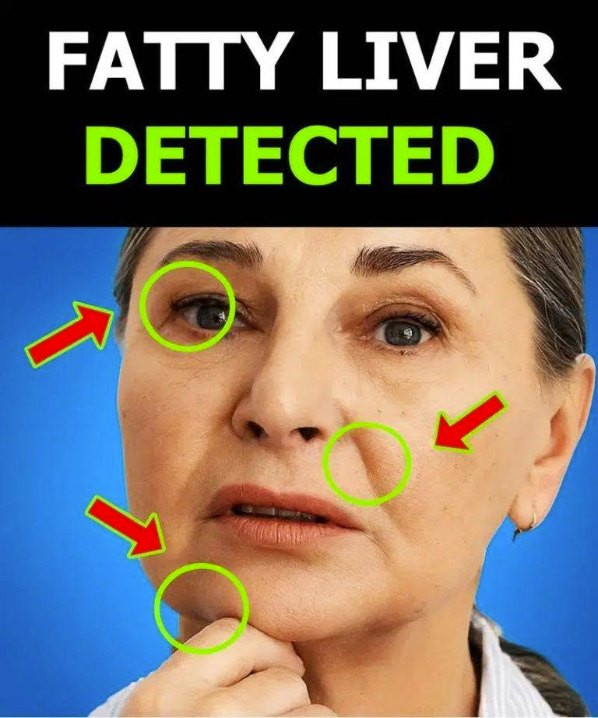
Everyone with fatty liver has this in common! A hidden sign you should know about.

Everyone with fatty liver has this in common! A hidden sign you should know about.

by
Everyone with fatty liver has this in common! A hidden sign you should know about.

When we talk about liver health, most people think liver problems are obvious, painful, or easy to detect. But the reality is quite different: fatty liver is silent, develops slowly, and can progress for years without causing any noticeable symptoms. However, there is a very common habit that almost everyone with fatty liver shares, even without knowing it: living with a metabolic imbalance that begins long before the liver “screams.”

Disco Insert image

Normal

Code

ver more

Cleansing & Detoxification

GERD & Digestive Disorders

Obesity

Blood Sugar & Diabetes

Even if you don’t

notice it, your body is sending signals. If you feel heavy after eating, have trouble losing belly fat, have high triglycerides, or are told that “everything is normal,” but you don’t feel well… you could be facing a liver problem that went undetected.

The core of the problem: an overloaded metabolism Most people who develop fatty liver share the same silent triad:

Discover more Biological Sciences health Biological Sciences Health

Insulin resistance

The body produces too much insulin to handle the excess sugar and energy.

This causesthe liver to work overtime, store more fat, and become overloaded.

Visceral

If Your Feet Swell, It May Be a Sign That…

If Your Feet Swell, It May Be a Sign That…

by
If Your Feet Swell, It May Be a Sign That…

If Your Feet Swell, It May Be a Sign That…

Swollen feet are common and can happen after spending a long time standing or sitting, during hot weather, after eating a salty meal, or for other reasons. In many cases, the swelling is temporary and improves with simple measures.

However, persistent or unexplained swelling can sometimes be associated with an underlying health problem. Paying attention to other symptoms can help determine when medical advice is appropriate.

Why Do Our Feet Swell?

Get Health Tips

Get Produce Boxes

Swelling in the feet, commonly called edema, occurs when excess fluid collects in the tissues. It can have many possible causes, including:

Heat, which can cause blood vessels to expand

Standing or sitting for long periods

A high-sodium diet

Pregnancy

Certain medications

Reduced physical activity

Some circulation problems

Certain kidney, heart, or liver conditions

Temporary swelling is often not serious. However, persistent, recurrent, or unexplained swelling should not automatically Find Treatments

be dismissed, particularly if it is accompanied by other symptoms.

Natural and Simple Ways to Reduce Swelling

Cold Therapy

for Temporary Relief A cold compress wrapped in a cloth can sometimes provide temporary relief from discomfort associated with swelling. Apply it to the affected area for about 15–20 minutes, avoiding direct contact between ice and the skin.Study Anatomy

Discover more Find Recipes Compare Broadband Seek Counseling

This may be particularly soothing after a hot day or prolonged standing. Stop if the skin becomes painful, excessively numb, or discolored.

Elevate Your Legs Lie down and raise your legs above heart level by resting them against a wall or on

cushions. Elevating the legs can encourage excess fluid to move away from the lower limbs and may temporarily reduce swelling.

Avoid remaining in one position for long periods. Gentle movement, when appropriate, can also help maintain normal circulation.Find Treatments

Simple measures may ease temporary swelling, but the cause matters—especially whenthe swelling is persistent, affects only one leg, or appears with other symptoms.

When Swollen Feet Deserve Medical Attention

Contact a healthcare professional if swelling persists, keeps returning, becomes significantly worse, or has no obvious explanation. An evaluation may be

especially important if you have an existing heart, kidney, liver, or circulation condition.

Sudden swelling in one leg, particularly when accompanied by pain, warmth, redness, or tenderness, requires prompt medical assessment because it can sometimes be associated with a blood clot.

Seek emergency medical attention if swelling occurs with sudden shortness of breath, chest pain, fainting, or difficulty breathing.

Final Thoughts

Swollen feet can result from everyday factors such as heat, prolonged standing, inactivity, or a salty meal, and temporary swelling may improve with elevation, movement, and other comfort measures.

Nevertheless, swelling is a symptom rather than a diagnosis. If it is persistent, severe, sudden, or accompanied by other concerningsymptoms, professional medical evaluation is important to identify the underlying cause.

7 medications that cause severe dementia and profound brain damage

7 medications that cause severe dementia and profound brain damage

by
7 medications that cause severe dementia and profound brain damage

For a long time, medicine and the general public believed that dementia and cognitive decline were simply the sad and inevitable consequences of aging. However, recent scientific advances demonstrate the contrary. While memory loss is influenced by various lifestyle factors, such as alcohol abuse, chronic stress, insomnia, or nutritional deficiencies, another, often overlooked, culprit lurks in our medicine cabinets.

Many commonly prescribed treatments, while effective in treating specific conditions, have major adverse effects on brain health . Used inappropriately or for extended periods, some of these seemingly harmless medications can

impair

memory, impair concentration, and even trigger severe dementia. Here are seven classes of drugs that require special attention.

  1. Corticosteroids

Prescribed to treat asthma, severe allergies, or autoimmune diseases , corticosteroids are powerful anti-inflammatories. However, their prolonged use, particularly orally, is not without risk to the nervous system.

Research has shown that these medications can alter the very structure of the brain. Glucocorticoids, such as prednisone, disrupt brain function by influencing levels of cortisol, the stress hormone. Excess cortisol eventually damages the hippocampus, a brain region absolutely vital for

If you drool while you sleep, it’s a sign that your

If you drool while you sleep, it’s a sign that your

by
If you drool while you sleep, it’s a sign that your

Drooling while you sleep is actually pretty common and usually nothing to worry about. It happens when saliva builds up in the mouth and, instead of being swallowed, leaks out — especially if you’re sleeping on your side or stomach. A few common causes include:

– Mouth breathing (due to allergies, sinus issues, or a cold)

– Sleeping position (side or stomach sleeping lets gravity do its thing)

– Deep sleep stages (muscles relax more, making drooling more likely)

– Certain medications or neurological conditions

Occasional drooling is normal, but if it’s frequent, excessive, or

Choking or coughing during sleep

Daytime fatigue (possible sleep apnea)

Sore throat or bad breath in the morning

…it could be worth getting checked out.

Beyond the medical and health-related aspects of drooling in sleep. Here’s a breakdown of non-health-related dimensions, including cultural, psychological, evolutionary, social, environmental, and even symbolic perspectives:

Embarrassment or humor: In many cultures, drooling in your sleep is seen as mildly embarrassing or comedic — often joked about in sitcoms or cartoons.

Symbol of deep sleep:

Politeness norms: In more conservative or formal cultures, any form of bodily fluid or “lack of control” is seen as inappropriate — making drooling more taboo, especially in public or shared spaces.

Primal instincts: Saliva production is a survival trait — it protects your teeth, aids digestion, and signals readiness to eat. Drooling might be an overflow mechanism in a deeply relaxed (safe) state,

the body doesn’t feel threatened.

Animal behavior: Many animals drool when asleep, hungry, or relaxed. Humans likely retained this as a side effect of muscular relaxation during rest.

In dream interpretation or symbolic psychology, drooling could metaphorically reflect:

Desire or longing (like the phrase “mouth-watering”)

Loss of control

Vulnerability (being caught in an unguarded, childlike state)

Some people associate drooling with comfort, trust, or emotional safety, particularly in intimate or family sleeping situations.

Comedy: Drooling is often used

to show a character is:

Sleeping deeply or snoring loudly

Daydreaming or infatuated (e.g., cartoon characters drooling over food or love interests)

Horror: In some horror or thriller narratives, unexplained drooling is used as a creepy or unnatural symptom (e.g., possession, infection).

Growing awareness of sleep health has led to:

Pillows designed to reduce drooling (like elevated or cooling pillows)

Waterproof or absorbent pillowcases for those who drool regularly

Products like mouth tape to promote nasal breathing at night

In romantic or shared living situations, drooling during sleep might:

Create self-consciousness, especially early in relationships

Be viewed as endearing, annoying, or funny depending on the dynamics

Parents often find it adorable when babies or pets drool during sleep, reinforcing emotional bonding.

Drooling during naps at work or travel (planes, buses) can be embarrassing in public settings.

Some people avoid sleeping in front of others (e.g., in military barracks, shared dorms, sleepovers) due to fear of drooling or other involuntary

Language expressions related to drooling often imply:

Desire or anticipation (“drooling over a new car”)

Idleness or lack of intelligence in some derogatory phrases

Childishness or immaturity, especially in metaphoric use

7 medications that cause severe dementia and profound brain damage

7 medications that cause severe dementia and profound brain damage

by
7 medications that cause severe dementia and profound brain damage

For a long time, medicine and the general public believed that dementia and cognitive decline were simply the sad and inevitable consequences of aging. However, recent scientific advances demonstrate the contrary. While memory loss is influenced by various lifestyle factors, such as alcohol abuse, chronic stress, insomnia, or nutritional deficiencies, another, often overlooked, culprit lurks in our medicine cabinets.

Many commonly prescribed treatments, while effective in treating specific conditions, have major adverse effects on brain health . Used inappropriately or for extended periods, some of these seemingly harmless medications can impair

memory, impair concentration, and even trigger severe dementia. Here are seven classes of drugs that require special attention.

1. CorticosteroidsPrescribed to treat asthma, severe allergies, or autoimmune diseases , corticosteroids are powerful anti-inflammatories. However, their prolonged use, particularly orally, is not without risk to the nervous system.

Research has shown that these medications can alter the very structure of the brain. Glucocorticoids, such as prednisone, disrupt brain function by influencing levels of cortisol, the stress hormone. Excess cortisol eventually damages the hippocampus, a brain region absolutely vital for memory. A

large study conducted in the United Kingdom on over 500,000 people confirmed an increased risk of dementia in patients using corticosteroids to treat their asthma. It is therefore recommended to use them at the lowest possible dose and for the shortest possible duration.

2. AnticholinergicsThis class of medications is widely used to relieve Parkinson’s disease, overactive bladder, and certain respiratory disorders. Their mechanism of action involves blocking acetylcholine, a neurotransmitter essential for learning and memory.

Prolonged blockade of this neurotransmitter has disastrous consequences for cognitive function. According to

research conducted by the University of Washington that followed more than 3,500 elderly people over a decade, regular use of anticholinergics increases the risk of developing dementia by 54%. This risk increases proportionally with the dose and duration of treatment.

3. Proton pump inhibitors (Omeprazole)Omeprazole, pantoprazole, and esomeprazole are proton pump inhibitors (PPIs), widely used to relieve heartburn, acid reflux, and gastritis. While they offer rapid relief by reducing stomach acid, their chronic use poses alarming risks to neurological health .

A study of nearly 6,000 individuals revealed

that 33% of patients taking these medications for more than four and a half years experienced cognitive impairment. This phenomenon is largely explained by the fact that reduced stomach acidity hinders the proper absorption of vitamin B12. Prolonged vitamin B12 deficiency is a known cause of severe neurological disorders and an increased risk of dementia.Food

4. BenzodiazepinesAlprazolam, diazepam, and lorazepam are familiar names to anyone who has ever suffered from severe anxiety or insomnia. These anxiolytics and sleeping pills offer short-term relief, but their long-term impact on the

brain is particularly significant.

Studies show that prolonged benzodiazepine use can double the risk of developing Alzheimer’s disease. These drugs interfere with neurotransmitters, alter sleep patterns (which are essential for memory consolidation), and create strong physical and psychological dependence. In fact, more than 40% of regular users report difficulty concentrating and a loss of mental energy.

5. AmphetaminesOften prescribed for attention deficit hyperactivity disorder (ADHD), amphetamines temporarily stimulate concentration by artificially increasing dopamine levels in the brain.Health

However, high doses and continuous administration eventually exhaust the nervous system.

Research indicates that this prolonged use can lead to lasting brain damage, affecting not only memory, but also motivation and overall cognitive performance, not to mention the risks of chronic irritability and depression.

6. Tricyclic antidepressantsAlthough they are among the oldest treatments for depression, amitriptyline and nortriptyline are still used. While they act on serotonin reuptake to improve mood, they also possess strong anticholinergic properties.

Like the Parkinson’s disease medications mentioned above, these antidepressants inhibit acetylcholine. Elderly patients are particularly sensitive to this and may experience accelerated cognitive decline,

characterized by severe confusion, frequent memory lapses, and an inability to concentrate.

7. StatinsStatins, such as atorvastatin or simvastatin, are prescribed to millions of people to lower blood cholesterol levels and prevent cardiovascular events. However, the brain is the organ with the highest cholesterol content in the human body.Diseases

This brain cholesterol is not the enemy: it is absolutely essential for the creation and maintenance of synapses, the connections between neurons. By blocking overall cholesterol production, statins can interfere with this delicate mechanism. A growing body of clinical

evidence reports cases of patients taking statins experiencing mental confusion and memory problems, symptoms that significantly impair their quality of life.

In conclusion , taking care of our health should not come at the expense of our cognitive abilities. Prolonged self-medication is strongly discouraged, and it is crucial to openly discuss the side effects of prescribed treatments with a healthcare professional. In many cases, non-pharmacological alternatives, such as cognitive behavioral therapy, stress management, or dietary adjustments, can offer viable solutions for protecting both the body and the brain.