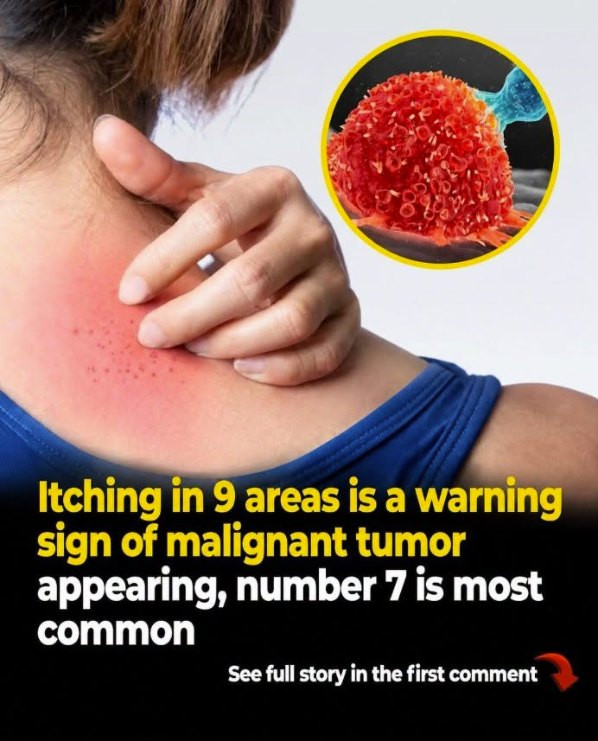
It starts with something small.
A little itch on your arm.
You scratch it.
It goes away.
A few hours later, it comes back.
Then another day passes, and the itching is still there.
At first, it seems harmless. Maybe your skin is dry. Maybe a mosquito got you. Maybe you used a new soap or detergent.
But what happens when the itching doesn’t go away?
What if it keeps returning for weeks?
And what if there is no obvious rash, bite, or injury to explain it?
Persistent itching
is easy to dismiss because scratching provides temporary relief. Yet sometimes, chronic itching can be more than a simple skin problem.
The location of the itching, how long it lasts, what the skin looks like, and whether other symptoms appear at the same time can all provide useful clues.
In some cases, persistent itching is related to something relatively simple, such
as dry skin or irritation.
In others, it can be associated with allergies, infections, nerve problems, medication reactions, or certain underlying medical conditions.
That does not mean
that every itchy patch is a warning sign of serious disease.
Most itching has an ordinary explanation.
But persistent or unexplained itching deserves more attention than a temporary itch that disappears within minutes.
Here are nine areas where ongoing itching can sometimes provide clues about what is happening in the body—and when it may be worth getting checked.
Da bị ngứa có phải là dấu hiệu của ung thư không? | Vinmec
- The Scalp: More Than Just Dandruff
The scalp is one of the most common places for itching.
Sometimes
the explanation is obvious.
Dry skin, dandruff, sweat, hair products, or infrequent washing can all make the scalp itchy.
But persistent scalp itching can have several different causes.
One common cause is seborrheic dermatitis,
a condition associated with inflammation in areas where the skin produces more oil.
It can cause:
Itching
Flaking
Redness
Greasy or dry scales
Irritation around the scalp and hairline
Another possibility is contact dermatitis.
A new shampoo, hair dye, conditioner, styling product, or treatment can trigger an allergic or irritant reaction.
The itching may
appear soon after introducing the product—or sometimes after repeated exposure.
Then there are conditions such as psoriasis, fungal infections, and head lice.
Head lice are particularly associated with intense itching around the scalp, especially behind the ears and near the back of the neck.
The important point is that persistent scalp itching isn’t automatically “just dandruff.”
If the itching lasts for weeks, causes sores, produces significant scaling, or is associated with hair loss or unusual lesions, a medical evaluation can help identify the cause.
- The Ears: Don’t Ignore Persistent
- Itching An occasional itchy ear is common.Maybe water got inside. Maybe the skin became dry. Maybe an earbud irritated the canal. But persistent itching inside or around the ear can have several explanations. The delicate skin of the ear canal can become irritated by: Cotton swabs Earbuds Hearing aids Soap Shampoo Moisture Excessive cleaning Ironically, trying to clean your ears too aggressively can actually make the itching worse. The ear canal has a natural protective system involving earwax and specialized skin. Repeatedly inserting objects into the canal
- can remove protective wax and damage the skin barrier. This can create irritation and sometimes increase the risk of infection. Another possibility is otitis externa, commonly called swimmer’s ear. It can cause itching, pain, redness, swelling, and sometimes discharge. Fungal infections can also cause persistent ear itching. If the itching is accompanied by pain, drainage, hearing changes, swelling, or a feeling of blockage, it is better to have the ear examined rather than continuing to scratch or clean it yourself. The Back: When You Can’t See What’s Happening The
- The Back: When You Can’t See What’s Happening The
- back is an interesting place because it is difficult to inspect. You may feel intense itching without being able to see whether there is a rash. Sometimes the cause is simply dry skin. But persistent localized itching on the upper or middle back can occasionally have a neurological component. One example is notalgia paresthetica. Despite its complicated name, the condition generally involves chronic itching or altered sensation in a localized area of the upper back, often near the shoulder blade. Some people describe: Persistent itching Burning Tingling Numbness A crawling
- back is an interesting place because it is difficult to inspect.
- sensation The skin may initially look normal. But repeated scratching can eventually produce a darker or thickened patch lower legs and ankles. You may notice: Swelling Heaviness Skin discoloration Dryness Itching Changes around the ankles This happens because impaired blood flow in the veins can increase pressure in the lower legs and contribute to inflammation and skin changes. Persistent itching accompanied by swelling or significant skin discoloration deserves medical attention. Another possibility is neuropathy. Nerve-related itching can occur even when the skin itself appears relatively normal. The Palms: When Itching
- The Palms: When Itching
- Comes With Blisters The palms are another area where the appearance of the skin can provide important clues. One condition associated with intense itching and small fluid-filled blisters is dyshidrotic eczema, also known as pompholyx. It often affects the palms, sides of the fingers, or soles of the feet. People may experience: Severe itching Tiny blisters Dryness Peeling Cracking Burning or discomfort The exact cause is not always straightforward. Sweating, stress, allergies, irritants, and other factors may contribute. Another possibility is contact dermatitis, particularly if the hands are repeatedly exposed
- Comes With Blisters The palms are another area where the appearance of the skin can provide important clues.
- to chemicals. Because the hands are used constantly, it can be difficult to identify the trigger. Keeping track of when the itching occurs can sometimes help. Does it get worse after cleaning? After wearing gloves? After handling certain metals? After using a particular soap? These patterns can provide useful information. The Whole Body: When There Is No Obvious Rash This is where persistent itching becomes particularly interesting. Sometimes a person experiences itching across large areas of the body—or even all over—without an obvious rash. This is called generalized pruritus. There
- The Whole Body: When There Is No Obvious Rash This is where persistent itching becomes particularly interesting.
- are many possible causes. Some are relatively simple: Dry skin Medication reactions Allergies Irritation But persistent generalized itching can sometimes be associated with systemic medical conditions. These can include certain liver disorders, kidney disease, thyroid problems, iron deficiency, blood disorders, or other systemic conditions. Again, this does not mean that generalized itching automatically means you have a serious disease. There are many benign explanations. But if itching is persistent, widespread, unexplained, and particularly severe at night, a healthcare professional may recommend a broader evaluation. Depending on the situation, that can
- include blood tests and a review of medications, medical history, and other symptoms. Why Can Internal Problems Cause Itching? This is one of the most fascinating aspects of itching. Your skin does not operate independently from the rest of your body. The sensation of itching involves communication between the skin, nerves, spinal cord, and brain. Certain substances circulating in the body can influence these pathways. For example, changes associated with some liver or kidney disorders can produce itching without a traditional skin rash. The exact mechanisms can vary. This is
- why a person can sometimes experience intense itching even when the skin itself appears relatively normal. The sensation is real. The problem simply may not originate from a visible skin lesion. Itching and Liver Problems The liver plays an enormous role in processing substances in the body. Certain liver and bile-flow disorders can cause itching. In some cases, itching may be associated with the accumulation of substances such as bile acids in the bloodstream. The itching can be widespread and may be particularly bothersome at night. Other symptoms depend on
- the specific liver condition but can include: Yellowing of the skin or eyes Dark urine Pale stools Fatigue Abdominal discomfort Loss of appetite But it’s important not to jump to conclusions. Most itching is not caused by liver disease. If you have persistent generalized itching along with jaundice or other concerning symptoms, however, medical evaluation is important. Itching and Kidney Problems Kidney disease can also be associated with chronic itching, particularly in people with more advanced kidney dysfunction. The exact mechanisms are complex. Changes in mineral
- balance, immune signaling, nerve function, and other factors may contribute. The itching may be widespread and may occur without a prominent rash. Other symptoms of significant kidney disease can include: Swelling Changes in urination Fatigue Nausea Changes in appetite High blood pressure Again, itching alone cannot diagnose kidney disease. But persistent unexplained generalized itching is one reason a healthcare professional may consider broader causes. Bị ngứa da vào ban đêm: Nguyên nhân và cách điều trị Itching
- and Thyroid Problems The thyroid regulates numerous processes in the body. Thyroid disorders can affect the skin and hair in different ways. Some people with thyroid disease may experience dry skin, which can lead to itching. However, itching is not a specific thyroid symptom. If it occurs alongside other changes—such as unexplained weight changes, temperature intolerance, heart-rate changes, fatigue, or altered bowel habits—a clinician may consider thyroid testing depending on the overall picture. Itching and Iron Deficiency Iron deficiency is common and can cause a
- variety of symptoms. Some people with iron deficiency experience generalized itching, although this is not the most typical symptom. More commonly, people may experience: Fatigue Weakness Pale skin Shortness of breath with exertion Headaches Brittle nails If unexplained itching occurs together with significant fatigue or other symptoms, a healthcare professional may consider a blood count and iron studies. Itching and Blood Disorders Certain blood-related conditions can be associated with generalized itching. One example is polycythemia vera, a disorder in
- which the body produces too many red blood cells. Some people with this condition experience intense itching, particularly after exposure to warm water. However, this is relatively uncommon. It would be a mistake to assume that ordinary itching means someone has a blood disorder. Still, persistent unexplained symptoms are worth discussing with a healthcare professional. Why Is Itching Often Worse at Night? Many people notice that itching becomes more intense at night. There are several possible reasons. Body temperature changes during sleep.



0 comments:
Post a Comment