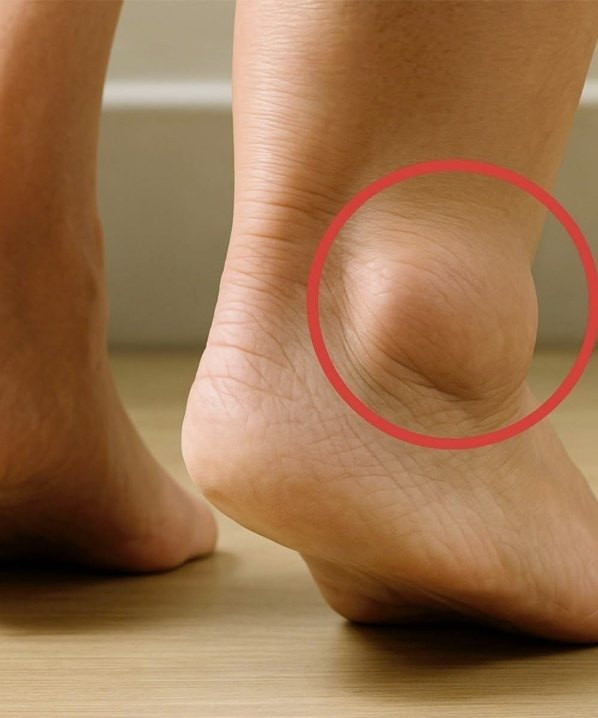
If Your Feet Swell, It May Be a Sign That…
Swollen feet are common and can happen after spending a long time standing or sitting, during hot weather, after eating a salty meal, or for other reasons. In many cases, the swelling is temporary and improves with simple measures.
However, persistent or unexplained swelling can sometimes be associated with an underlying health problem. Paying attention to other symptoms can help determine when medical advice is appropriate.
Why Do Our Feet Swell?
Get Health Tips
Get Produce Boxes
Swelling in the feet, commonly called edema, occurs when excess fluid collects in the tissues. It can have many possible causes, including:
Heat, which can cause blood vessels to expand
Standing or sitting for long periods
A high-sodium diet
Pregnancy
Certain medications
Reduced physical activity
Some circulation problems
Certain kidney, heart, or liver conditions
Temporary swelling is often not serious. However, persistent, recurrent, or unexplained swelling should not automatically Find Treatments
be dismissed, particularly if it is accompanied by other symptoms.
Natural and Simple Ways to Reduce Swelling
Cold Therapy
for Temporary Relief A cold compress wrapped in a cloth can sometimes provide temporary relief from discomfort associated with swelling. Apply it to the affected area for about 15–20 minutes, avoiding direct contact between ice and the skin.Study Anatomy
Discover more Find Recipes Compare Broadband Seek Counseling
This may be particularly soothing after a hot day or prolonged standing. Stop if the skin becomes painful, excessively numb, or discolored.
Elevate Your Legs Lie down and raise your legs above heart level by resting them against a wall or on
cushions. Elevating the legs can encourage excess fluid to move away from the lower limbs and may temporarily reduce swelling.
Avoid remaining in one position for long periods. Gentle movement, when appropriate, can also help maintain normal circulation.Find Treatments
Simple measures may ease temporary swelling, but the cause matters—especially whenthe swelling is persistent, affects only one leg, or appears with other symptoms.
When Swollen Feet Deserve Medical Attention
Contact a healthcare professional if swelling persists, keeps returning, becomes significantly worse, or has no obvious explanation. An evaluation may be
especially important if you have an existing heart, kidney, liver, or circulation condition.
Sudden swelling in one leg, particularly when accompanied by pain, warmth, redness, or tenderness, requires prompt medical assessment because it can sometimes be associated with a blood clot.
Seek emergency medical attention if swelling occurs with sudden shortness of breath, chest pain, fainting, or difficulty breathing.
Final Thoughts
Swollen feet can result from everyday factors such as heat, prolonged standing, inactivity, or a salty meal, and temporary swelling may improve with elevation, movement, and other comfort measures.
Nevertheless, swelling is a symptom rather than a diagnosis. If it is persistent, severe, sudden, or accompanied by other concerningsymptoms, professional medical evaluation is important to identify the underlying cause.



0 comments:
Post a Comment