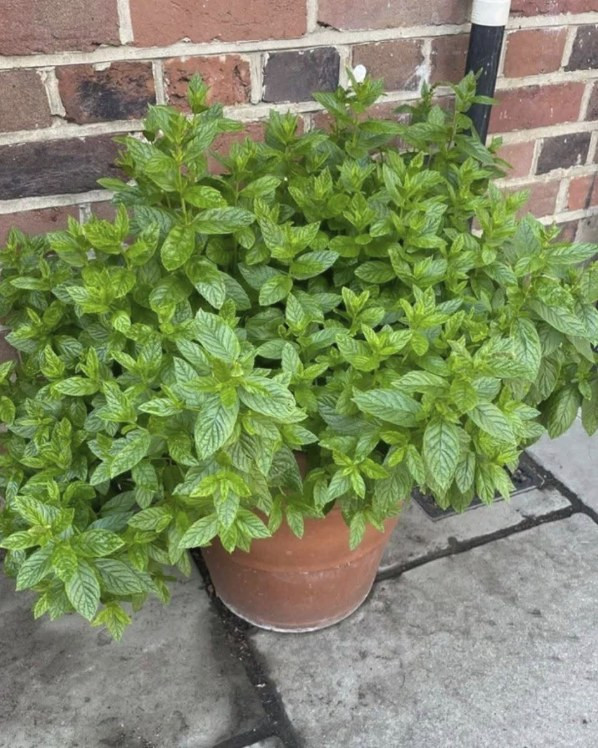
Placing a mint plant by your doorway serves as both a natural insect repellent and an inviting sensory experience for guests. The strong aroma that makes mint so popular in culinary applications also acts as a deterrent for mosquitoes, flies, ants, and other unwanted pests that might otherwise enter your home.
A potted mint plant at your entrance creates a pleasant aromatic barrier while adding a touch of greenery to your home’s exterior. This practical solution eliminates the need for chemical repellents while providing you with fresh herbs for cooking and beverages.
The convenience of growing mint in containers cannot be overstated, as it helps control this vigorous plant’s spreading tendencies. Its hardy nature makes it an excellent choice for both experienced gardeners and beginners looking to enhance their entryway with functional plantings.
Why Place a Pot of Mint at Your Door?
Placing a mint plant at your entryway serves multiple purposes beyond simple decoration. This aromatic herb offers practical benefits while carrying deep symbolic meanings that span cultures and generations.
Symbolic Meaning of Mint in Entrances Mint at doorways traditionally symbolizes hospitality and welcome. The fresh, invigorating scent creates a positive first impression for visitors while signaling an inviting atmosphere.
In many belief systems, mint represents protection and prosperity. The plant is thought to attract positive energy and financial abundance when positioned at entrances. Some practitioners of feng shui recommend mint by doorways to promote the flow of wealth energy into the home.
The vibrant green color of mint leaves also symbolizes renewal and vitality. This visual reminder of growth and freshness can transform an ordinary entrance into a space that energetically prepares both residents and guests for positive experiences within the home.
Cultural and Historical Significance
Throughout history, mint has been valued across civilizations for its practical and symbolic properties. Ancient Romans adorned their tables with mint to welcome guests and stimulate conversation during meals. This practice eventually extended to placing mint at entrances.
In Mediterranean cultures, mint was believed to cleanse spaces of negative influences. Greek and Roman hosts would rub mint leaves on tables before guests arrived to create a pleasant atmosphere.
Medieval Europeans placed mint at doorways during times of illness, believing its strong aroma could ward off disease. This practice was especially common during plague outbreaks when mint was thought to purify the air.



0 comments:
Post a Comment