Top Ad 728x90

Thursday, October 22, 2026

12+ Restaurants Where You’ll Get A Free Meal On Your Birthday

12+ Restaurants Where You’ll Get A Free Meal On Your Birthday

by
12+ Restaurants Where You’ll Get A Free Meal On Your Birthday

Birthdays are pretty great, aren’t they? It’s your special day, and friends and family often celebrate by showering you with gifts, attention, and maybe a slice of cake. But there’s one more thing that can make a birthday even sweeter: free food!

Whether you’re craving a stack of fluffy pancakes, a juicy burger, a delicious burrito, or your favorite coffee drink, some restaurant chains offer birthday treats to eligible customers. The best part? Many of these offers are available simply by joining a restaurant’s free rewards program before your big&

nbsp;

day.

Of course, birthday deals change over time, and some require advance registration, a qualifying purchase, or a visit to a participating location. So before heading out, check the restaurant’s official website or app to confirm the current offer.

Here are more than a dozen restaurants worth checking when your birthday rolls around!

IHOP — Free Birthday Pancakes

What’s a better way to start your birthday than with a stack of warm, fluffy pancakes? IHOP is famous for its breakfast favorites, and eligible members of its

IHOP Rewards program can receive

a birthday pancake reward.

The program’s birthday offer has included a full stack of Original Buttermilk pancakes, making it a tempting option for anyone who loves a classic breakfast.

How to claim it: Sign up for IHOP Rewards ahead of your birthday and check your account for the reward. Registration timing and redemption conditions apply.

Denny’s — A Birthday Breakfast

If pancakes, eggs, and hearty breakfast plates are more your style, Denny’s is another restaurant to check. The diner has

offered birthday promotions featuring its popular Grand Slam breakfast.

However, don’t

assume that every customer can receive a free breakfast simply by showing identification. Promotions can change, and eligibility may depend on the restaurant’s current policy or rewards program.

How to claim it: Visit Denny’s official website or contact your local restaurant to ask about its current birthday offer before visiting.

Ruby Tuesday — A Birthday Meal Deal

Burger lovers may want to check Ruby Tuesday’s rewards offers when planning a birthday meal. The restaurant has

advertised birthday promotions through its customer email and rewards programs, with offers varying over time.

Rather

than counting on a particular entrée being free, review the offer sent to your account and check whether a purchase is required.

How to claim it: Visit Ruby Tuesday and look for its current rewards or email-club information.

QDOBA — A Birthday Treat for Burrito Fans

A birthday is a great excuse to enjoy a burrito, burrito bowl, or another favorite from QDOBA. The Mexican-style restaurant offers a rewards program

that may include birthday perks for eligible members.

The exact reward can vary, so check your account rather than assuming a

free burrito is guaranteed every year.How to claim it: Join QDOBA Rewards, enter your birthday details, and review the current offer and redemption rules.

Starbucks — A Birthday Drink or Food Reward

For coffee lovers, Starbucks can be a welcome birthday stop. Eligible Starbucks Rewards members can receive a birthday reward for a qualifying beverage or food item.

There are a few important requirements:

members generally need to sign up at least seven days before their birthday, add their birth date, and make a qualifying Stars-earning transaction before their birthday

each year. The reward is typically redeemable on the birthday itself.

How to claim it: Join Starbucks Rewards well in advance and check the current birthday-reward terms in the app.

Red Robin — A Birthday Surprise for Burger Lovers

Red Robin is known for its burgers, fries, and casual dining atmosphere. Members of its Royalty rewards program may receive a

birthday offer, making it worth checking if you enjoy celebrating with a restaurant meal.

The specific reward and any purchase requirements can change, so read the details attached to your account.

How to claim it: Sign up for Red Robin Royalty and make sure your birthday information is up to date.

Nothing Bundt Cakes — A Free Birthday Bundtlet

Who says birthday treats have to come from a restaurant? Nothing Bundt Cakes is a bakery worth remembering if you love moist, flavorful little cakes.

Eligible members of

its Bundtastic Rewards program can receive a complimentary birthday Bundtlet. It’s a convenient way to enjoy a personal-sized cake without having to bake one yourself.

How to claim it: Join Bundtastic Rewards and watch for

your birthday offer by email or in your account. Check its expiration date before visiting.

Jersey Mike’s — A Birthday Sub

If you’d rather celebrate with a sandwich than a sweet treat, Jersey Mike’s is worth checking. Its MyMike’s rewards program advertises a birthday sub reward for eligible members.

There is

an important condition: the program’s terms have required a qualifying sub, wrap, or sub bowl purchase within the preceding 12 months. Be sure to review the current rules to confirm your eligibility.

How to claim it: Register through MyMike’s, enter

your birthday, and check your account for the reward.

Panera Bread — A Birthday Bakery Treat

Panera Bread is a good option if you love cookies, pastries, and other bakery favorites. Its MyPanera program has offered birthday treats to eligible members.

The specific offer may vary

by program terms and membership level, so check your account for the item, any conditions, and the expiration date.

How to claim it: Visit Panera Bread and sign up for MyPanera before your birthday.

Olive Garden — A Birthday Dessert

Planning a birthday dinner with family

or friends? Olive Garden is a familiar choice for pasta, salads, and hearty Italian-American dishes. The restaurant has offered complimentary birthday desserts, although the details may vary by location and current policy.

If you already plan to dine there,

it’s worth asking whether a birthday dessert is available.

How to claim it: Check Olive Garden’s official website for current offers, and confirm the birthday-dessert policy with your local restaurant.

Baskin-Robbins — A Birthday Ice Cream Treat

A birthday celebration wouldn’t be complete for some people without ice cream. Baskin-Robbins is worth

checking for birthday perks through its rewards program.

Available rewards and sign-up requirements can change, so don’t assume a free scoop or another specific treat is automatically included.

How to claim it: Visit

Baskin-Robbins and check its current rewards program for birthday benefits.

Buffalo Wild Wings — A Birthday Treat for Wing Fans

If your perfect birthday involves wings, a casual atmosphere, and watching a game, Buffalo Wild Wings may be worth a look. Its Blazin’ Rewards program offers member perks, and birthday promotions may be available depending on the current

terms.

Check the reward details before ordering, especially if the offer requires a purchase or applies only to selected menu items.

How to claim it: Visit Buffalo

Wild Wings and review the latest Blazin’ Rewards information.

Dunkin’ — A Birthday Perk for Coffee and Doughnut Fans

Dunkin’ is a convenient stop for coffee, doughnuts, and breakfast sandwiches. Its rewards program has changed over time, so birthday benefits may differ from offers you remember seeing in older online lists.

If Dunkin’ is part of your morning routine, check the official app to

see whether your account has a birthday reward.

How to claim it: Visit Dunkin’ or open the official app and review the

current rewards terms.

Cracker Barrel — A Homestyle Birthday Treat

Cracker Barrel is a cozy option for anyone who enjoys traditional comfort food. The restaurant has offered rewards and birthday promotions in the past, including dessert-related perks.

Because the exact offer can change, check the current rewards details before making plans. A complimentary treat can be a nice extra if you’re already visiting for a meal.

How to claim

it: Visit Cracker Barrel and review its current rewards program.

How to Get the Most Birthday Freebies

Finding birthday offers is only half the fun. A little preparation can help you avoid missing out.

Sign up early. Some rewards programs require you to register several days or weeks before your birthday.

Enter your birthday correctly. Make sure your profile includes the right date and that your account is active.

Check your email and app. Some businesses send coupons by email, while others place rewards directly in your account.

Read the

conditions. Look for minimum purchases, eligible menu items, location restrictions, and expiration dates.

Confirm before visiting.

Offers can change, and participating locations may have different policies.

Don’t spend more than you planned. A birthday freebie isn’t a bargain if you have to buy something you don’t want just to use it.

Frequently Asked Questions

Can you really get free food on your birthday?

Yes. Some restaurant chains offer complimentary food, drinks, or desserts to eligible customers. The reward varies, and not every promotion covers a full meal.

Do you need

to join a rewards program?

Often, yes. Many restaurants require you to create a loyalty

account or subscribe to an email club before receiving a birthday offer. Some also require advance registration or a qualifying purchase.

Can you sign up on your birthday?

You can join many programs at any time, but that doesn’t mean you’ll qualify for that day’s offer. Some restaurants require advance registration, so signing up several weeks beforehand is the safer choice.

Are birthday offers available everywhere?

Not always. Offers may vary by country, franchise, and

participating location. If you’re outside the United States, check the local restaurant’s website because

its rewards program may be different.

Can you claim birthday freebies from several restaurants?

If you meet each program’s requirements, you may be able to redeem offers from multiple businesses during your birthday period. Check the validity dates so you can plan your stops sensibly.

Celebrate Your Birthday Without Breaking the Bank

Birthday freebies can make your special day a little more fun, whether you’re starting with pancakes, grabbing a sandwich at lunch, or finishing with

a slice of cake.

The key is to plan ahead and check the

No one had ever explained that to me!

No one had ever explained that to me!

by
No one had ever explained that to me!

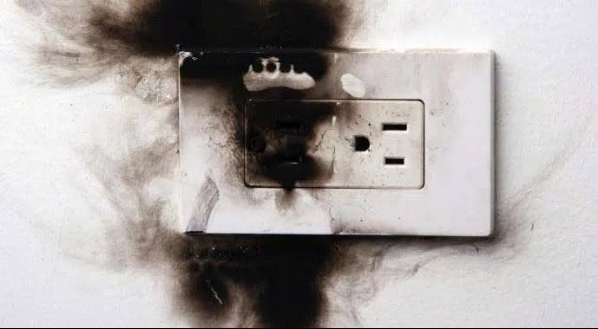
# No One Had Ever Explained This to Me! What It Really Means When an Electrical Outlet Is Installed Upside Down

Have you ever noticed that some electrical outlets seem to be installed upside down? Most of us have. We glance at them, maybe think someone made a mistake during installation, and then move on without giving it another thought.

For years, I assumed the same thing.

Then one day, I learned that an outlet with the ground hole at the top isn’t necessarily installed incorrectly at all. In fact, in

many situations, it’s completely intentional—and there are practical safety reasons behind it.

That discovery was one of those surprising “How did I never know this?” moments. It made me realize how many everyday objects we interact with without ever understanding why they’re designed the way they are.

So let’s explore what an upside-down outlet actually means, why electricians sometimes install them this way, and why there isn’t just one “correct” orientation.

## The First Surprise

If you’ve looked closely at electrical outlets, you’ve probably noticed the familiar face-like appearance. Two vertical

slots resemble eyes, while the round hole looks like a mouth.

Most homes have outlets installed with the round grounding hole at the bottom. Because that’s what many people grow up seeing, it feels like the normal orientation.

But occasionally you’ll walk into a hospital, office building, workshop, or even someone’s home and find the outlet flipped so the grounding hole is on top.

At first glance, it can look like someone accidentally installed it upside down.

The reality is much more interesting.

## Why Install an Outlet Upside Down?

One

of the biggest reasons involves electrical safety.

Imagine a plug that’s only partially inserted into an outlet. If a metal object—such as a picture frame, screwdriver, paper clip, or piece of jewelry—falls between the plug and the outlet, it could potentially contact the energized prongs.

When the grounding hole is positioned at the top, the grounded pin makes contact first. If a metal object slides downward, it’s more likely to strike the grounded pin before reaching the live electrical contacts.

While this doesn’t eliminate every possible hazard, many electricians believe

this orientation offers an additional layer of protection against accidental short circuits.

This is one reason you’ll often see outlets installed this way in commercial buildings and healthcare facilities.

## Hospitals Often Use This Orientation

One of the places where upside-down outlets are especially common is hospitals.

Medical equipment is plugged in and unplugged constantly. Patient safety is the highest priority, so every detail matters.

Some hospitals install outlets with the grounding hole facing upward to reduce the chance that a conductive object could bridge the energized plug blades if a

plug becomes partially disconnected.

In environments where lives depend on reliable electrical systems, even small improvements in safety are taken seriously.

Although building codes may vary, this orientation has become familiar in many healthcare settings.

## Commercial Buildings Follow Similar Practices

Many offices, laboratories, schools, and industrial facilities also use ground-up outlets.

Electricians working on commercial projects may follow engineering specifications that call for this orientation throughout the building.

The reasons include:

* Improved safety.

* Consistent installation practices.

* Easier identification of certain circuits.

* Compliance with project specifications.

If you’ve ever worked in

an office building and noticed upside-down outlets, there’s a good chance they were installed intentionally rather than by accident.

## Is It Required by Electrical Code?

Here’s where many people get confused.

Contrary to popular belief, there is generally no universal electrical code that requires all outlets to be installed either ground-up or ground-down.

In many places, both orientations are acceptable as long as the outlet is installed properly and meets all applicable electrical requirements.

That means an electrician can legally install an outlet with the grounding hole on top, on

The important part is that the installation complies with local regulations and is completed safely.

## Why Most Homes Have Them Ground Down

If upside-down outlets have safety advantages, why aren’t they used everywhere?

The answer is surprisingly simple: tradition.

Residential construction has historically favored outlets with the grounding hole at the bottom.

Over time, homeowners became accustomed to that appearance.

Manufacturers often photograph products that way.

Furniture designers expect outlets to face that direction.

As a result, it became

Sometimes, familiarity is the only reason something feels “correct.”

## An Easy Way to

Another interesting reason involves switched outlets.

In many homes, one half of a duplex outlet is controlled by a wall switch—for example, allowing you to turn a floor lamp on and off without touching the lamp itself.

Some electricians install these switched outlets upside down so they’re easy to recognize.

Instead of opening the electrical box or testing the circuit, homeowners can immediately suspect that the

This isn’t a universal rule, but it is a practice some electricians follow.

## What About Sideways Outlets?

Not every outlet is vertical.

In kitchens, furniture, conference tables, and specialized installations, outlets are sometimes mounted horizontally.

Again, this isn’t necessarily wrong.

The orientation often depends on:

* Available space.

* Manufacturer recommendations.

* Cabinet design.

* Accessibility.

* Local installation practices.

The electrical performance remains the same regardless of whether the outlet appears vertical or horizontal.

## TheRole of the Grounding Pin

To understand why

The round hole connects to the electrical grounding system.

Its job is to provide a safe path for fault current if something goes wrong inside an appliance.

Without proper grounding, exposed metal parts of equipment could become energized, increasing the risk of electric shock.

That’s why it’s important never to remove the grounding pin from a plug just to make it fit an older outlet.

If your home still has ungrounded outlets, the safest solution is

## Common Myths About Upside-Down Outlets

Because these outlets look unusual, they’ve inspired several myths over the years.

### Myth 3: They Mean the Wiring Is Wrong

The direction an outlet faces tells you almost nothing about how it’s wired internally.

A correctly wired outlet works the same regardless of its orientation.

### Myth 4: They’re Only Found in Hospitals

While hospitals commonly use them, many homes, offices, schools, and commercial buildings also have upside-down outlets.

## Should You Turn Yours Around?

If you’re

Changing the orientation usually provides little practical benefit unless there’s a specific reason for doing so.

If the outlet functions correctly and is installed safely, simply flipping it around won’t significantly change how it performs.

However, if you’re remodeling or replacing outlets anyway, you can discuss your preferred orientation with a licensed electrician.

## Other Safety Features Matter More

While outlet orientation gets a lot of attention online, other electrical safety upgrades often have a much greater impact.

These

* Ground Fault Circuit Interrupter (GFCI) protection in kitchens, bathrooms, garages, and outdoor areas.

* Arc Fault Circuit Interrupter (AFCI) protection where required.

* Proper grounding throughout the electrical system.

* Regular inspection of damaged or loose outlets.

These improvements generally contribute far more to household safety than the direction an outlet faces.

## Everyday Things We Never Notice

The upside-down outlet is a perfect reminder that many everyday objects have hidden stories behind them.

Traffic signs, door handles, keyboards, plumbing fixtures, and electrical systems are all designed

Once someone explains the reasoning, it suddenly seems obvious.

Yet many of us spend decades without ever hearing the explanation.

## Final Thoughts

Learning why some electrical outlets are installed upside down is one of those satisfying discoveries that changes how you see an ordinary object.

What initially looks like a simple installation mistake often reflects a deliberate decision based on safety, convenience, or local practice.

The next time you notice an outlet with the grounding hole at the top, you’ll

It’s a small detail, but one that highlights an important lesson: not everything that looks unusual is incorrect. Sometimes, there’s thoughtful engineering behind the things we overlook every day

So if you were surprised to learn this, you’re certainly not alone. Many people go years—sometimes decades—without ever knowing why some outlets appear upside down. Now you’ll probably find yourself noticing them everywhere, and perhaps even sharing this little piece of electrical trivia with friends and family the next

### Myth 1: The Electrician Made a Mistake

Not necessarily.

Many upside-down outlets are installed intentionally.

### Myth 2: They’re Dangerous

Actually, they can be just as safe as traditionally oriented outlets when installed correctly.

In some situations, they’re even chosen for additional safety considerations.

If you have these lines on your nails after 40, it is a clear sign that..

If you have these lines on your nails after 40, it is a clear sign that..

by
If you have these lines on your nails after 40, it is a clear sign that..

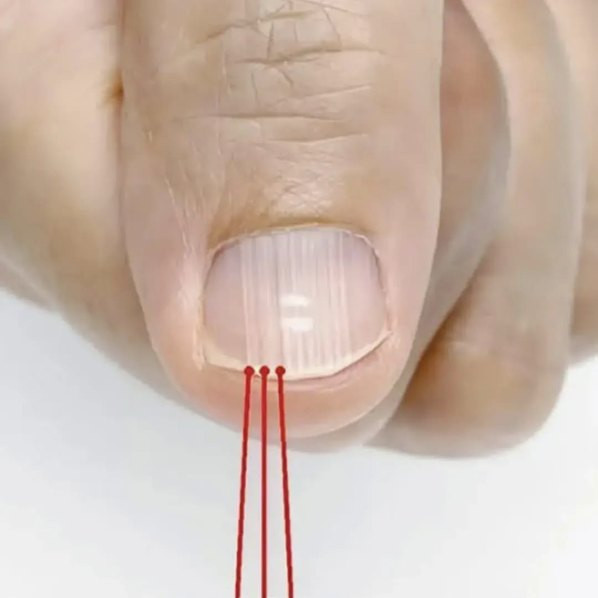
What Vertical Ridges on Your Nails Really Mean

Vertical ridges on the fingernails are something many people begin to notice as they move into their 40s and beyond. These raised or indented lines run from the base of the nail all the way to the tip and can appear deeper or more defined with age. For most individuals, this change is completely normal. It reflects the natural slowing of nail cell turnover and the gradual reduction in moisture and oil production

that occurs as part of the aging process. When the nail grows more slowly, the surface may appear less smooth, causing ridges to stand out more clearly.

Several everyday factors can make these ridges even more visible. Frequent handwashing, repeated exposure to soaps and detergents, and using harsh cleaning products without gloves can strip the nails of essential oils, leading to dryness and uneven texture. Environmental conditions such as cold weather or dry indoor air from heaters can also contribute. In addition, overall nail health is closely tied to internal

wellness. Nutritional imbalances—particularly deficiencies in biotin, iron, zinc, or protein—may influence how the nail plate forms. When paired with symptoms like fatigue, brittle hair, or pale skin, changes in nail texture may hint at underlying nutrient shortages.

Although most vertical ridges develop slowly and have harmless explanations, it’s still important to stay aware of your nail health. In rare cases, sudden or dramatic changes may signal issues affecting the skin, immune system, thyroid function, or circulation. Nails can sometimes reflect health problems before other symptoms appear. Warning signs such as

pain, swelling around the nail, significant thickening, discoloration, or dark streaks that appear unexpectedly should always be evaluated by a healthcare professional to rule out more serious conditions.

Fortunately, caring for your nails and reducing the appearance of ridges is relatively simple. Regular moisturizing with hand cream or cuticle oil helps keep the nail surface hydrated and flexible. Drinking enough water and following a balanced diet rich in vitamins, minerals, and healthy fats supports healthy nail growth from the inside out. Using protective gloves when cleaning, avoiding overly aggressive buffing,

and choosing gentle manicure tools can prevent damage and maintain nail strength.

Vertical ridges are a normal part of aging for most people, but with consistent, mindful care, you can encourage smoother, healthier-looking nails and support their overall resilience as you grow older.

How to Clean Dirty Pots and Pans Naturally  Check the first comment.

How to Clean Dirty Pots and Pans Naturally Check the first comment.

by
How to Clean Dirty Pots and Pans Naturally  Check the first comment.

Burnt pots and pans happen to everyone, especially on the underside. The good news is that you don’t need harsh chemicals to clean them. Simple kitchen ingredients like baking soda, salt, and citric acid can make them look almost new again.

Baking Soda – The Classic Solution

Baking soda is mildly abrasive and safe for most cookware.

How to use:

Mix baking soda with a little water to form a thick paste.

Apply it to the burnt areas.

Let it sit for 30–60 minutes (

overnight for heavy buildup).

Scrub with a sponge or brush and rinse well.

✔ Best for stainless steel and everyday cleaning.

Salt – For Light Burn Marks

Salt helps loosen residue without scratching.

How to use:

Sprinkle coarse salt on a damp pot bottom.

Scrub gently with a sponge or cloth.

Rinse thoroughly.

✔ Good for regular

maintenance.Baking Soda + Vinegar – For Stubborn Grease

This combo is very effective on old, greasy buildup.

How to use:

Pour white vinegar onto the burnt&

nbsp;

area.

Sprinkle baking soda over it.

Let it fizz and work for 10–15 minutes.

Scrub and rinse.

✔ Great for tough stains and grease.

Citric Acid (Lemon Salt) – The Most Powerful Option

Citric acid is especially effective for burnt-on residue and mineral buildup.

Method 1: Boiling

Fill the pot with water to cover the dirty area.

Add 1–2 tablespoons of citric acid.

Boil for 10–15 minutes.

Let it cool slightly, then scrub and rinse.

Method 2: Paste

Mix citric acid with a little

water.

Apply to the burnt surface.

Let sit for 20–30 minutes.

Scrub and rinse.

✔ Excellent for stainless steel and heavily burnt pots.

Precautions:

Do not use citric acidon plain aluminum cookware — it can discolor it.

Avoid metal scrubbers on non-stick surfaces.

Never mix citric acid with bleach or chlorine-based cleaners (dangerous).

Test any method on a small area first.

Wear gloves if you have sensitive skin.

With these natural methods, even the dirtiest pots can be cleaned safely and effectively — no harsh chemicals needed.

The Miracle Drink That Flushes Out 15kg of Toxins from Your Gut and Blood Vessels – Time-Tested Formula

The Miracle Drink That Flushes Out 15kg of Toxins from Your Gut and Blood Vessels – Time-Tested Formula

by
The Miracle Drink That Flushes Out 15kg of Toxins from Your Gut and Blood Vessels – Time-Tested Formula

Ingredients:

1 peeled lemon

1 tablespoon baking soda

1 thumb-sized piece of fresh ginger

1 garlic bulb

1 onion

1 liter filtered water

2 tablespoons turmeric powder

1 tablespoon raw honey

Instructions:

In a pot, add water, ginger, garlic, onion, and baking soda.

Bring to a boil. Once boiling, stir in turmeric.

Simmer for 10 minutes.

Remove from heat, cool slightly.

Add lemon juice and honey. Stir well.

How to Use:

Drink 2 tablespoons each morning on an empty stomach.

By Day 3, many report feeling lighter, more energetic,

and

less bloated.

After finishing the batch, take a break for a few days and repeat as needed.

Evening Cleanse Tonic: Detox While You Sleep

While you rest, this gentle tonic works to improve digestion, support elimination, and flush toxins that accumulate throughout the day.

1 tablespoon baking soda

Juice and peel of 1 lemon

½ head of cabbage (chopped)

A small bunch of fresh dill

A pinch of cinnamon

3–4 whole cloves

1 liter water

1 tablespoon raw honey

Instructions:

Add cabbage, dill, cinnamon, and cloves to

a pot with

water.

Stir in lemon juice and lemon peel.

Add baking soda and bring to a boil.

Let simmer for 30 minutes.

Cool, strain, and mix in honey.

How to Use:

Drink 1 cup after dinner, nightly.

Supports overnight cleansing and improved bowel movements.

Deep Dive: Why It Works

Lemon – Flushes toxins, alkalizes the body, and boosts immunity.

Garlic & Onion – Natural antibacterials and liver protectors.

Ginger – Calms the gut, reduces inflammation, eases digestion.

Baking Soda – Balances pH and soothes the digestive tract.

Turmeric – Anti-inflammatory superstar with

liver detox powers.

Cabbage –

Rich in fiber and prebiotics for gut health.

Dill, Cinnamon & Cloves – Antioxidant-rich, antimicrobial, and digestive aids.

Raw Honey – Natural enzyme booster and sweetener with healing properties.

What to Expect When You Detox

Reduced bloating and water retention

More regular, complete bowel movements

Increased energy and mental clarity

Clearer skin and fewer breakouts

Improved digestion and gut health

Balanced internal pH and less inflammation

Your body wants to detox. These ingredients simply give it the tools to do the job naturally.

Important Reminder

While these ingredients are natural and safe

for most, always consult your healthcare provider before starting any detox regimen — especially if you are pregnant, nursing, taking medications, or managing chronic illness.

Final Thoughts

This isn’t a crash diet or magic pill. It’s a return to ancient wisdom — rooted in the healing power of food and herbs. In just one week, this detox drink could transform how you feel from the inside out.

No more guessing. No more chemicals. Just a clean slate — and a clear path to vibrant health.

The Dashboard Button Most Drivers Ignore—And Why It Actually Matters

The Dashboard Button Most Drivers Ignore—And Why It Actually Matters

by
The Dashboard Button Most Drivers Ignore—And Why It Actually Matters

Almost every modern vehicle has a small dashboard button showing a car with a curved arrow inside. Many drivers press it occasionally—often without thinking—while others never touch it at all. Yet this modest-looking symbol controls one of the most important comfort and air-quality features in your car: the air recirculation system.

Understanding how this function works, when to use it, and when not to use it can improve cabin comfort, protect your health, enhance fuel efficiency, and even extend the life of your vehicle’s air-conditioning system.

Your vehicle’s heating, ventilation,

and air-conditioning system ( HVAC) operates in two basic modes:Autos & VehiclesFresh Air Mode (Recirculation OFF) Outside air is drawn into the vehicle Air passes through the cabin air filter The system heats or cools the air Air is distributed throughout the cabin This mode continuously replaces interior air with oxygen-rich outdoor air. Vehicle air filters 2. Recirculation Mode (Recirculation ON)A motorized flap closes off the outside air intakeThe system reuses air already inside the cabinAir is cooled or heated repeatedlyThis creates a sealed airflow

and air-conditioning system ( HVAC) operates in two basic modes:

Autos & Vehicles

Fresh Air Mode (Recirculation OFF)Outside air is drawn into the vehicleAir passes through the cabin air filterThe system heats or cools the airAir is distributed throughout the cabinThis mode continuously replaces interior air with oxygen-rich outdoor air.Vehicle air filters2. Recirculation Mode (Recirculation ON)

A motorized flap closes off the outside air intake

The system reuses air already inside the cabin

Air is cooled or heated repeatedly

This creates a sealed airflow

loop, allowing the HVAC system to work more efficiently under certain conditions.HVAC & Climate ControlWhy Recirculation Cools the Cabin FasterIn hot weather, recirculation is especially effective because:Air conditioning serviceThe air conditioner doesn’t need to cool hot outside air repeatedlyAlready-cooled cabin air requires less energy to cool furtherInterior temperatures drop noticeably fasterThe compressor experiences less strainThis efficiency can slightly reduce fuel consumption in gasoline vehicles and improve driving range in electric cars.Air ConditionersProtection From Pollution, Odors, and AllergensRecirculation

loop, allowing the HVAC system to work more efficiently under certain conditions.

HVAC & Climate Control

Why Recirculation Cools the Cabin Faster

In hot weather, recirculation is especially effective because:

Air conditioning service

The air conditioner doesn’t need to cool hot outside air repeatedly

Already-cooled cabin air requires less energy to cool further

Interior temperatures drop noticeably faster

The compressor experiences less strain

This efficiency can slightly reduce fuel consumption in gasoline vehicles and improve driving range in electric cars.

Air Conditioners

Protection From Pollution, Odors, and Allergens

Recirculation

plays a crucial role in air quality, particularly in urban environments.

It helps block:

Exhaust fumes in traffic jams

Diesel smoke from trucks and buses

Industrial or agricultural odors

Dust and sand on unpaved roads

For people with asthma or allergies, recirculation can significantly reduce exposure to:

Operating Systems

Vehicle air filters

Pollen

Mold spores

Airborne pollutants

By limiting outside air intake, fewer irritants enter the cabin—even before filtration.

The Hidden Risks of Overusing Recirculation

Despite its advantages, recirculation should never be left on permanently.

Autos & Vehicles

Foggy Windows

In cold or rainy conditions:

Vehicle electronics

Moisture from breathing builds up

Humidity increases rapidly

Windows fog more easily

Fresh air helps remove moisture and maintain clear visibility.

Air conditioning service

Reduced Oxygen Levels

Winter Driving: A Common Mistake

Many drivers unknowingly worsen window fogging by using recirculation in winter. While it may feel warmer initially, trapped moisture quickly overwhelms the system.

Vehicle Repair & Maintenance

Best practice in cold weather:

Car driving simulator

Use fresh air mode

Combine with defrost settings

Turn recirculation off when windows fog

Cabin

Air

Filter: The Unsung Hero

Your air recirculation system relies heavily on the cabin air filter.

A clogged filter can cause:

Weak airflow

Musty odors

Reduced heating and cooling efficiency

Increased strain on the blower motor

10 Scientifically Backed Reasons Why You Should Consume Ginger Regularly

10 Scientifically Backed Reasons Why You Should Consume Ginger Regularly

by
10 Scientifically Backed Reasons Why You Should Consume Ginger Regularly

Ginger has been used for centuries in traditional medicine and cooking. Modern research suggests that it contains bioactive compounds, particularly gingerol, which may offer several health benefits. While ginger is not a cure-all, incorporating it into a balanced diet may support overall health.

  1. Helps Relieve Nausea

Ginger is one of the most well-studied natural remedies for nausea. It may help reduce symptoms associated with:

Morning sickness during pregnancyMotion sicknessChemotherapy-related nausea (when approved by a healthcare provider)Recovery after surgery2. Supports Healthy Digestion

Ginger may stimulate the

digestive process and help food move through the stomach more efficiently. This can reduce feelings of fullness, indigestion, and mild stomach discomfort.

  1. May Reduce Inflammation

The natural compounds in ginger have anti-inflammatory properties. Regular consumption may help lower inflammation, which plays a role in many chronic health conditions.

  1. Can Help Ease Joint Pain

Some studies suggest that

people with osteoarthritis may experience modest improvements in joint pain and stiffness when ginger is included as part of their overall treatment plan.

  1. Rich in Antioxidants

see the continuation on the next

page

Ginger provides antioxidants that help protect cells from oxidative stress caused by free radicals, supporting overall health and healthy aging.

  1. May Support Heart Health

Research suggests ginger may help support cardiovascular health by contributing to healthy cholesterol levels, blood sugar control, and blood vessel function. However, it should not replace prescribed medications.

  1. May Help Maintain Healthy Blood Sugar

Some small studies have found that ginger may improve insulin sensitivity and help support healthy blood sugar levels in certain individuals. More research is needed, and people with diabetes should

consult their healthcare provider before using ginger supplements.

  1. Supports Immune Function

Although ginger does not prevent or cure infections, its antioxidant and anti-inflammatory compounds may help support the normal

functioning of the immune system as part of a healthy diet.

  1. May Help Reduce Menstrual Discomfort

Several clinical studies suggest that ginger may reduce menstrual pain when taken during the first few days of the menstrual cycle, with effects comparable to some over-the-counter pain relievers in certain cases.

  1. A Versatile, Nutritious Addition to Your Diet

Fresh ginger is easy

to include in everyday meals. You can enjoy it in:

see the continuation on the

Herbal teaSmoothiesStir-friesSoupsMarinadesFresh juicesBaked goodsSimple Ginger Tea Recipe

Ingredients1-inch (2–3 cm) piece of fresh ginger, sliced2 cups (500 ml) water1 teaspoon honey (optional)Fresh lemon juice (optional)InstructionsBring the water to a boil.Add the sliced ginger.Simmer for 10–15 minutes.Strain into a cup.Add honey or lemon if desired.Enjoy warm.A Few Precautions

see the continuation on the next

page

While

ginger is safe for most people in normal food amounts:

Large amounts may cause heartburn or stomach irritation.Ginger may interact with blood-thinning medications such as warfarin.If you are pregnant, have gallstones, or take prescription medications, consult your healthcare provider before consuming large amounts of ginger or taking ginger supplements.Final Thoughts

Ginger is a flavorful spice with a growing body of scientific evidence supporting its health benefits. It may help with nausea, digestion, inflammation, and overall wellness when enjoyed regularly as part of a balanced

diet. However, it is not a cure for serious illnesses, and no single food can replace a healthy lifestyle or appropriate medical care.

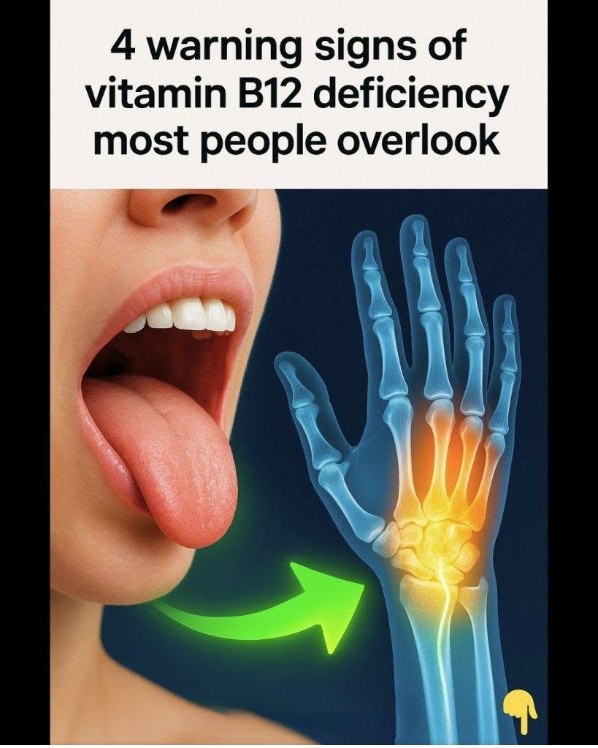
4 alarming symptoms of vitamin B12 deficiency you can’t ignore!

4 alarming symptoms of vitamin B12 deficiency you can’t ignore!

by
4 alarming symptoms of vitamin B12 deficiency you can’t ignore!

Vitamin B12 is a crucial nutrient that plays a vital role in keeping our nervous system and blood cells functioning properly. Surprisingly, between 2% and 20% of people may suffer from a deficiency without even realizing it. This blog post will explore the key symptoms of Vitamin B12 deficiency, how to increase your levels, and why it’s essential for your overall health.

Key Takeaways

Vitamin B12 is essential for nerve function and red blood cell production.

Symptoms of deficiency can be neurological, hematological, oral, and ocular.

Certain groups are at

higher risk for deficiency, including vegetarians, vegans, and the elderly.

Treatment options include dietary changes and supplementation.

Understanding Vitamin B12

Vitamin B12, also known as cobalamin, is a water-soluble vitamin that is primarily found in animal products. It is essential for the production of red blood cells and the maintenance of the nervous system. Without adequate levels of B12, our

bodies can experience a range of health issues.

Why Is Vitamin B12 Important?

Nerve Health: B12 is crucial for the production of myelin, the protective sheath around nerves. Without

it, nerve signals can slow down or become disrupted.

Red Blood Cell Production: B12 is necessary for the formation of red blood cells, which transport oxygen throughout the body.

DNA Synthesis: It plays a role in DNA synthesis, which is vital for cell division and overall health.

Symptoms of Vitamin B12 Deficiency

Recognizing the symptoms of Vitamin B12 deficiency is essential for early intervention. Here are the main groups of symptoms:

Neurological Symptoms

The brain relies heavily on Vitamin B12. Here are some neurological symptoms to watch for:

Numbness or

Tingling: You may feel a burning sensation or tingling in your hands and feet.Balance Issues: Difficulty walking or maintaining balance can occur.Cognitive Changes: Memory problems, irritability, andfatigue are common.Lhermitte’s Sign: A peculiar electric shock-like sensation when bending the neck forward.2. Hematological SymptomsVitamin B12 is vital for producing healthy red blood cells. Symptoms related to blood health include:

Fatigue and Weakness: Feeling unusually tired or weak can indicate anemia.Pale Skin: A noticeable paleness can be a sign of low red blood cell count.Jaundice:

Yellowing

of the skin and eyes due to rapid destruction of red blood cells.3. Oral and Gastrointestinal SymptomsDeficiency can also manifest in the mouth and digestive system:

Glossitis: A swollen, inflamed tongue that may appear smooth and red.Loss of Appetite: A decrease in hunger can lead to weight loss.Digestive Issues: Symptoms like diarrhea or constipation may occur.4. Ocular SymptomsVitamin B12 deficiency can affect your vision:

Vision Changes: Difficulty seeing in low light or changes in color perception.Optic Nerve Damage: This can leadto vision

loss

if not addressed.

Who Is At Risk?

Certain groups are more susceptible to Vitamin B12 deficiency:

Vegetarians and Vegans: Since B12 is primarily found in animal products, those on plant-based diets need to be cautious.

Older Adults: Aging can affect the absorption of B12 due to decreased stomach acid production.

Individuals with Digestive Disorders: Conditions like Crohn’s disease or those who have had gastric surgery may struggle to absorb B12.

How to Increase Vitamin B12 Levels

If you suspect you have a deficiency, here are some ways to boost

your

levels:

Dietary Sources: Include more animal products like meat, fish, eggs, and dairy in your diet.

Fortified Foods: Look for plant-based milks, cereals, and nutritional yeast that are fortified with B12.

Supplements: Consider taking a B12 supplement, especially if you are at risk. There are two main types:

Cyanocobalamin: A synthetic form that is converted to active

forms in the body.

Methylcobalamin: An active form that may be more effective for some individuals.

Treatment for Vitamin B12 Deficiency

If you are diagnosed with a deficiency, treatment options may include:

Dietary

Changes: Adjusting your diet to include more B12-rich foods.

Oral Supplements: Taking B12 in pill form.

Injections: For severe deficiencies, B12 injections may be necessary for immediate absorption.

Conclusion

Vitamin B12 deficiency is a serious condition that can lead to significant health issues if left untreated. By recognizing the symptoms and understanding your risk factors, you can take proactive steps to maintain healthy levels of this essential vitamin. If you suspect you have a deficiency, consult with a healthcare professional for testing and treatment options. Remember, your health is

worth

it!

Don’t Ignore It: Persistent Itching in These 9 Areas Could Point to an Underlying Problem

Don’t Ignore It: Persistent Itching in These 9 Areas Could Point to an Underlying Problem

by
Don’t Ignore It: Persistent Itching in These 9 Areas Could Point to an Underlying Problem

It starts with something small.

A little itch on your arm.

You scratch it.

It goes away.

A few hours later, it comes back.

Then another day passes, and the itching is still there.

At first, it seems harmless. Maybe your skin is dry. Maybe a mosquito got you. Maybe you used a new soap or detergent.

But what happens when the itching doesn’t go away?

What if it keeps returning for weeks?

And what if there is no obvious rash, bite, or injury to explain it?

Persistent itching

is easy to dismiss because scratching provides temporary relief. Yet sometimes, chronic itching can be more than a simple skin problem.

The location of the itching, how long it lasts, what the skin looks like, and whether other symptoms appear at the same time can all provide useful clues.

In some cases, persistent itching is related to something relatively simple, such

as dry skin or irritation.

In others, it can be associated with allergies, infections, nerve problems, medication reactions, or certain underlying medical conditions.

That does not mean

that every itchy patch is a warning sign of serious disease.

Most itching has an ordinary explanation.

But persistent or unexplained itching deserves more attention than a temporary itch that disappears within minutes.

Here are nine areas where ongoing itching can sometimes provide clues about what is happening in the body—and when it may be worth getting checked.

Da bị ngứa có phải là dấu hiệu của ung thư không? | Vinmec

  1. The Scalp: More Than Just Dandruff

The scalp is one of the most common places for itching.

Sometimes

the explanation is obvious.

Dry skin, dandruff, sweat, hair products, or infrequent washing can all make the scalp itchy.

But persistent scalp itching can have several different causes.

One common cause is seborrheic dermatitis,

a condition associated with inflammation in areas where the skin produces more oil.

It can cause:

Itching

Flaking

Redness

Greasy or dry scales

Irritation around the scalp and hairline

Another possibility is contact dermatitis.

A new shampoo, hair dye, conditioner, styling product, or treatment can trigger an allergic or irritant reaction.

The itching may

appear soon after introducing the product—or sometimes after repeated exposure.

Then there are conditions such as psoriasis, fungal infections, and head lice.

Head lice are particularly associated with intense itching around the scalp, especially behind the ears and near the back of the neck.

The important point is that persistent scalp itching isn’t automatically “just dandruff.”

If the itching lasts for weeks, causes sores, produces significant scaling, or is associated with hair loss or unusual lesions, a medical evaluation can help identify the cause.

  1. The Ears: Don’t Ignore Persistent
  1. Itching An occasional itchy ear is common.Maybe water got inside. Maybe the skin became dry. Maybe an earbud irritated the canal. But persistent itching inside or around the ear can have several explanations. The delicate skin of the ear canal can become irritated by: Cotton swabs Earbuds Hearing aids Soap Shampoo Moisture Excessive cleaning Ironically, trying to clean your ears too aggressively can actually make the itching worse. The ear canal has a natural protective system involving earwax and specialized skin. Repeatedly inserting objects into the canal
  1. can remove protective wax and damage the skin barrier. This can create irritation and sometimes increase the risk of infection. Another possibility is otitis externa, commonly called swimmer’s ear. It can cause itching, pain, redness, swelling, and sometimes discharge. Fungal infections can also cause persistent ear itching. If the itching is accompanied by pain, drainage, hearing changes, swelling, or a feeling of blockage, it is better to have the ear examined rather than continuing to scratch or clean it yourself. The Back: When You Can’t See What’s Happening The
  2. The Back: When You Can’t See What’s Happening The
  1. back is an interesting place because it is difficult to inspect. You may feel intense itching without being able to see whether there is a rash. Sometimes the cause is simply dry skin. But persistent localized itching on the upper or middle back can occasionally have a neurological component. One example is notalgia paresthetica. Despite its complicated name, the condition generally involves chronic itching or altered sensation in a localized area of the upper back, often near the shoulder blade. Some people describe: Persistent itching Burning Tingling Numbness A crawling
  2. back is an interesting place because it is difficult to inspect.
  1. sensation The skin may initially look normal. But repeated scratching can eventually produce a darker or thickened patch lower legs and ankles. You may notice: Swelling Heaviness Skin discoloration Dryness Itching Changes around the ankles This happens because impaired blood flow in the veins can increase pressure in the lower legs and contribute to inflammation and skin changes. Persistent itching accompanied by swelling or significant skin discoloration deserves medical attention. Another possibility is neuropathy. Nerve-related itching can occur even when the skin itself appears relatively normal. The Palms: When Itching
  2. The Palms: When Itching
  1. Comes With Blisters The palms are another area where the appearance of the skin can provide important clues. One condition associated with intense itching and small fluid-filled blisters is dyshidrotic eczema, also known as pompholyx. It often affects the palms, sides of the fingers, or soles of the feet. People may experience: Severe itching Tiny blisters Dryness Peeling Cracking Burning or discomfort The exact cause is not always straightforward. Sweating, stress, allergies, irritants, and other factors may contribute. Another possibility is contact dermatitis, particularly if the hands are repeatedly exposed
  2. Comes With Blisters The palms are another area where the appearance of the skin can provide important clues.
  1. to chemicals. Because the hands are used constantly, it can be difficult to identify the trigger. Keeping track of when the itching occurs can sometimes help. Does it get worse after cleaning? After wearing gloves? After handling certain metals? After using a particular soap? These patterns can provide useful information. The Whole Body: When There Is No Obvious Rash This is where persistent itching becomes particularly interesting. Sometimes a person experiences itching across large areas of the body—or even all over—without an obvious rash. This is called generalized pruritus. There
  2. The Whole Body: When There Is No Obvious Rash This is where persistent itching becomes particularly interesting.
  1. are many possible causes. Some are relatively simple: Dry skin Medication reactions Allergies Irritation But persistent generalized itching can sometimes be associated with systemic medical conditions. These can include certain liver disorders, kidney disease, thyroid problems, iron deficiency, blood disorders, or other systemic conditions. Again, this does not mean that generalized itching automatically means you have a serious disease. There are many benign explanations. But if itching is persistent, widespread, unexplained, and particularly severe at night, a healthcare professional may recommend a broader evaluation. Depending on the situation, that can
  1. include blood tests and a review of medications, medical history, and other symptoms. Why Can Internal Problems Cause Itching? This is one of the most fascinating aspects of itching. Your skin does not operate independently from the rest of your body. The sensation of itching involves communication between the skin, nerves, spinal cord, and brain. Certain substances circulating in the body can influence these pathways. For example, changes associated with some liver or kidney disorders can produce itching without a traditional skin rash. The exact mechanisms can vary. This is
  1. why a person can sometimes experience intense itching even when the skin itself appears relatively normal. The sensation is real. The problem simply may not originate from a visible skin lesion. Itching and Liver Problems The liver plays an enormous role in processing substances in the body. Certain liver and bile-flow disorders can cause itching. In some cases, itching may be associated with the accumulation of substances such as bile acids in the bloodstream. The itching can be widespread and may be particularly bothersome at night. Other symptoms depend on
  1. the specific liver condition but can include: Yellowing of the skin or eyes Dark urine Pale stools Fatigue Abdominal discomfort Loss of appetite But it’s important not to jump to conclusions. Most itching is not caused by liver disease. If you have persistent generalized itching along with jaundice or other concerning symptoms, however, medical evaluation is important. Itching and Kidney Problems Kidney disease can also be associated with chronic itching, particularly in people with more advanced kidney dysfunction. The exact mechanisms are complex. Changes in mineral
  1. balance, immune signaling, nerve function, and other factors may contribute. The itching may be widespread and may occur without a prominent rash. Other symptoms of significant kidney disease can include: Swelling Changes in urination Fatigue Nausea Changes in appetite High blood pressure Again, itching alone cannot diagnose kidney disease. But persistent unexplained generalized itching is one reason a healthcare professional may consider broader causes. Bị ngứa da vào ban đêm: Nguyên nhân và cách điều trị Itching
  1. and Thyroid Problems The thyroid regulates numerous processes in the body. Thyroid disorders can affect the skin and hair in different ways. Some people with thyroid disease may experience dry skin, which can lead to itching. However, itching is not a specific thyroid symptom. If it occurs alongside other changes—such as unexplained weight changes, temperature intolerance, heart-rate changes, fatigue, or altered bowel habits—a clinician may consider thyroid testing depending on the overall picture. Itching and Iron Deficiency Iron deficiency is common and can cause a
  1. variety of symptoms. Some people with iron deficiency experience generalized itching, although this is not the most typical symptom. More commonly, people may experience: Fatigue Weakness Pale skin Shortness of breath with exertion Headaches Brittle nails If unexplained itching occurs together with significant fatigue or other symptoms, a healthcare professional may consider a blood count and iron studies. Itching and Blood Disorders Certain blood-related conditions can be associated with generalized itching. One example is polycythemia vera, a disorder in
  1. which the body produces too many red blood cells. Some people with this condition experience intense itching, particularly after exposure to warm water. However, this is relatively uncommon. It would be a mistake to assume that ordinary itching means someone has a blood disorder. Still, persistent unexplained symptoms are worth discussing with a healthcare professional. Why Is Itching Often Worse at Night? Many people notice that itching becomes more intense at night. There are several possible reasons. Body temperature changes during sleep.
SENIORS: Use BAKING SODA THIS WAY and see how up to 13 common health problems

SENIORS: Use BAKING SODA THIS WAY and see how up to 13 common health problems

by
SENIORS: Use BAKING SODA THIS WAY and see how up to 13 common health problems

Baking soda is in almost every kitchen… but it has also become one of the most viral “natural remedies.”

Many say it can cure everything: from heartburn to “cleansing the body”… but what’s the truth?

The reality is much more balanced.It does have real benefits… but also risks that almost no one mentions.

What exactly is baking soda?

Baking soda (NaHCO₃) is an alkaline substance that acts as a natural antacid, helping to neutralize excess stomach acid.

That’s why it’s used in medicine to treat problems related to

heartburn.

Real (proven) benefits

Although it’s not miraculous, it does have useful applications when used correctly.

  1. Relieves heartburn

This is its best-known and most supported use.

see the continuation on the

Neutralizes stomach acidReduces heartburn and refluxActs quickly

In fact, it’s a common antacid in medicine

  1. Helps balance pH in certain medical cases

In specific situations (such

as acidosis), it can help regulate the body’s acidity

But this should only be done under medical supervision.

  1. It can improve physical performance

Some studies show that

it:

Reduces acidity in musclesImproves performance in intense exercise

Especially in high-intensity activities

see the continuation on the

See moreDrugs and medicationsHealth

Digestive disorders and gastroesophageal reflux disease

  1. It can alkalize urine

It is used in medicine to:

Reduce urinary acidityAid in certain kidney problems

But this use is also clinical, not for home use

The big myth: “It detoxifies the body”

This is where many publications mislead

It does not “cleanse the blood”It does not eliminate toxins from the body

That function is performed by organs such as the liver and kidneys

Furthermore, there is no scientific evidence that drinking bicarbonate has a “detox” effect.

Risks You Should Know (Very Important)

Here’s the part manywebsites DON’T mention:

Cholesterol: 5 symptoms that warn you it’s too high(1 / 2)

Cholesterol: 5 symptoms that warn you it’s too high(1 / 2)

by
Cholesterol: 5 symptoms that warn you it’s too high(1 / 2)

Cholesterol is undoubtedly one of the most important factors to monitor for your health . Age also plays a key role, as once you’ve passed the age of 50, indicators like cholesterol and high blood pressure need to be monitored constantly.

Regardless of your age and medical history , it’s always recommended to have regular checkups to monitor these data. Prevention can always be the key to avoiding unpleasant surprises. Eating healthily and adopting a healthy lifestyle are the fundamental guidelines to follow for your well-being.

Returning to cholesterol, we’re talking about

a substance produced by the liver and, contrary to popular belief, it’s a fundamental substance for our body . It’s divided into good cholesterol and bad cholesterol; an excessive presence of the latter could cause problems.

Excess cholesterol tends to deposit on the walls of the arteries, causing them to clog and significantly increasing the risk of heart attack. Suffice it to say that in more industrialized countries, where a healthy lifestyle is not always followed, especially due to poor nutrition , .

Recent scientific research has highlighted how it’s possible to detect

high cholesterol by paying attention to the signals our body sends us. In particular, there are five symptoms that act as warning signs: let’s find out what they are .

Once you’re past 50, it’s easy for common problems like high cholesterol and high blood pressure to arise . An unhealthy lifestyle, including junk food and alcohol, could contribute to these levels.

High cholesterol is usually asymptomatic and should therefore be monitored solely with blood tests . A cholesterol level above 240 mg/dL can be a warning sign. To lower or control

it, you can focus on consuming less fatty foods and eating less.

Although high cholesterol doesn’t present obvious symptoms, there are five signs that shouldn’t be ignored. The first sign is the presence of dark or yellowish spots on the skin, a symptom that may not necessarily mean anything, but it should prompt us to investigate further.

The answer to how to lower cholesterol lies in diet and lifestyle.

Or even having numb hands or feet can be a sign of cholesterol buildup in the arteries of the hands and

feet. Headaches can also be a significant symptom, as can swelling under the eyes upon waking. Incredibly, even that annoying ringing in the ears can be caused by cholesterol, whose excess increases blood vessel pressure.

All of these symptoms are just potential signs of high cholesterol . Self-diagnosis should never be attempted, but rather a doctor should be consulted, who will decide what to do based on their assessment. If you experience these warning signs, it’s recommended to have your cholesterol levels checked and have your blood tests performed .

90 percent get this wrong  Check the first comment.

90 percent get this wrong Check the first comment.

by
90 percent get this wrong  Check the first comment.

Do You Really Need to Remove the Dark Line From Shrimp? Here’s Why It Matters

If you’ve ever prepared shrimp at home, you’ve probably noticed the dark line running along the back.

Some people remove it immediately. Others cook shrimp without giving it a second thought.

But what exactly is that dark line—and should you remove it?

What Is the “Vein”?

Despite commonly being called a vein, the dark line along the back of a shrimp is&

nbsp;

actually its digestive tract.

It can contain digested food as well as tiny amounts of sand or grit.

That doesn’t necessarily mean the shrimp is unsafe to eat if the line is left intact, but it can sometimes affect the eating experience.

Why Do People Remove It?

One of the biggest reasons is texture and taste.

Depending on the shrimp and what it has consumed, the digestive tract can sometimes contain gritty material or contribute an unpleasant, muddy or bitter taste.Removing it gives

the

shrimp a cleaner appearance and can make the final dish more enjoyable.

How to Devein Shrimp at Home

The process is easier than it looks.

Remove the shell, leaving the tail on or taking it off depending on your recipe.

Try CMS ToolsFind Recipes2. Make a shallow cut

Using a small, sharp knife, gently make a shallow cut along the back of the shrimp.

You should be able to see the digestive tract

running along

the back.

Lift it out

Use the tip of your knife or a small utensil to gently lift the line and pull it away.

Rinse if necessary

Quickly rinse the shrimp under cold running water if there is any remaining grit, then pat it dry.Is Deveining Always Necessary?

Not necessarily.

Whether you devein shrimp can depend on the size of the shrimp, how it was prepared, and your personal preference.

With very small shrimp, the digestive tract may be difficult

to notice and remove.

With

larger shrimp, however, the dark line is usually much more visible, making removal easier and more worthwhile.

Start Blogging

Identify Plants

Book a Safari

A Small Step That Can Make a Big Difference

Deveining doesn’t require special equipment or advanced cooking skills.

It takes only a few moments, but it can help give your shrimp a cleaner appearance and reduce the chance of encountering grit or an unpleasant flavor.

So the next time you’re preparing shrimp,

take a closer look at that little

dark line.

You may never look at your shrimp the same way again!

Mom Warns Others About The Link Between A ‘Fishy Smell’ And Melting Electrical Outlets.  Check the first comment.

Mom Warns Others About The Link Between A ‘Fishy Smell’ And Melting Electrical Outlets. Check the first comment.

by
Mom Warns Others About The Link Between A ‘Fishy Smell’ And Melting Electrical Outlets.  Check the first comment.

I would hope that we all know carbon monoxide is odorless, and that’s why everyone should have multiple carbon monoxide detectors in their home. Most people are also aware that a smell similar to rotten eggs signals a natural gas leak. But if you happened to smell something fishy in your home, what would your first reaction be? And by any chance, do electrical fires smell like fish?

Katie Rose Dugger took to Facebook to warn others about a fishy smell in her home that ended up being something pretty&

nbsp;

terrifying. Katie explained that a few weeks ago, her son’s bedroom started to smell like fish. She searched and deep cleaned his room, yet could still not figure out what the source of that awful smell was. Do electrical fires smell like fish? Finally, Katie decided to do a quick Google search in order to determine where the odor was coming from.

Her search revealed that a fishy odor can point to melting plastic from electrical outlets. Sure enough, she discovered an outlet that was overheating and melting the

plugs.

After calling an electrician that same day, the electrician found that there was a bad, loose wire in the outlet. He ended up having to replace the whole outlet. Do electrical fires smell like fish, you ask? Her experience answers that.

Let Katie’s warning serve as important information regarding the outlets in your home. If you smell something fishy and can’t figure out the source, it’s time to check the outlets and plugs for overheating. Do electrical fires smell like fish? Knowing this information could prevent a tragic

fire and

potentially even save lives.

Teen Girl Sentenced to 86 Years in Prison After She Ra…See more…

Teen Girl Sentenced to 86 Years in Prison After She Ra…See more…

by
Teen Girl Sentenced to 86 Years in Prison After She Ra…See more…

Justice vs. Redemption: Examining the 86-Year Sentence Given to a Teenage Offender

TakeEthics Courses

The recent sntencing of a teenage girl to 86 years in prison has sparked intense national debate across legal, ethical, and public health spheres. When severe, traumatic crimes occur, the justice system faces an agonizing mandate: balancing victim restitution and public safety against the fundamental principles of youth, culpability, and rehabilitation.

A sentence effectively spanning a natural human lifespan forces us to examine where the line sits between accountability and the total forfeiture of a minor’s

future.

The Argument for Maximum Accountability

Proponents of multi-decade or virtual life sentences for juveniles argue that the primary duty of the judicial system is to uphold justice for victims and their surviving families. When severe crimes—such as violent assault, sexual violence, or homicide—are committed, the age of the perpetrator does not lessen the physical or psychological trauma

inflicted upon

future.

The Argument for Maximum Accountability

Proponents of multi-decade or virtual life sentences for juveniles argue that the primary duty of the judicial system is to uphold justice for victims

and their surviving families. When severe crimes—such as violent assault, sexual violence, or homicide—are committed, the age of the perpetrator does not lessen the physical or psychological trauma

inflicted upon the victims.

Proportionality of Punishment: Legal frameworks in many jurisdictions mandate that sentence lengths reflect the severity of the act itself, ensuring that heinous offenses receive proportional consequences regardless of

offender age.

Public Safety & Deterrence: Lengthy sentences remove dangerous individuals from the community and signal to society that violent crime carries severe, non-negotiable penalties

Victim Retribution: For victims and

families whose lives are permanently altered, lesser sentences can feel like a secondary violation, minimizing the scale of their suffering.

CriminalLaw

The Neurodevelopmental and Rehabilitation Perspective

Conversely, legal scholars, juvenile justice advocates, and brain science researchers argue that sentencing a teenager to spend their remaining adult life behind bars ignores critical developmental realities.

Key Factor Impact on Juvenile Offending Legal /

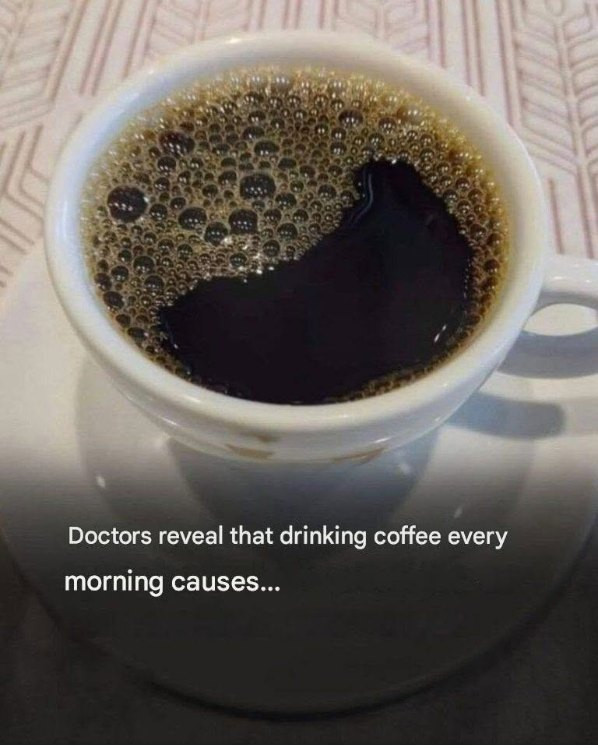
Doctors reveal that drinking coffee every morning causes…

Doctors reveal that drinking coffee every morning causes…

by
Doctors reveal that drinking coffee every morning causes…

Doctors reveal that drinking coffee every morning is… or isn’t!

Every morning, millions of people start their day with a steaming cup of coffee.

Its soothing aroma, its energy boost… coffee has become a common ritual. But how many cups do you have to consume for this habit to become harmful to your health?

Doctors are sounding the alarm and reminding us that coffee, consumed in moderation, can also be beneficial to our health.

Be careful not to overdo it!

Excessive caffeine consumption can have the opposite effect. According

to ANSES (the French Agency for Food, Environmental and Occupational Health & Safety), approximately 30% of adults and 11% of children in France consume more caffeine than the recommended dose, which can lead to:

Palpitations and anxiety

Anxiety and nervousness

Sleep disturbances

Long-term effects on the cardiovascular system and bones

Some people are more sensitive to caffeine, particularly pregnant women, children, and people taking heart medication or anti-anxiety drugs.

Some tips for drinking coffee safely

Choose filter coffee or hand-ground coffee, which is milder and less acidic.

Avoid drinking coffee

too late in the day, especially after 4 p.m.

Stay hydrated: alternate a cup of coffee with a glass of water.

Limit sugar and flavored syrups: they mask the natural benefits of coffee.

Listen to your body: if you feel nervous or experience palpitations, reduce your coffee consumption.

Coffee is not the enemy you think: consumed in moderation, it can be a real ally for your health. However, excessive caffeine consumption can lead to nervous fatigue, anxiety and sleep problems.

How much? Three to four cups per day

maximum, no more.

The secret, as always, is balance: drink coffee for pleasure and energy, not out of addiction

Would you like me to reword this text into a shorter, punchier, social media-friendly version (with emojis and catchy phrases)?